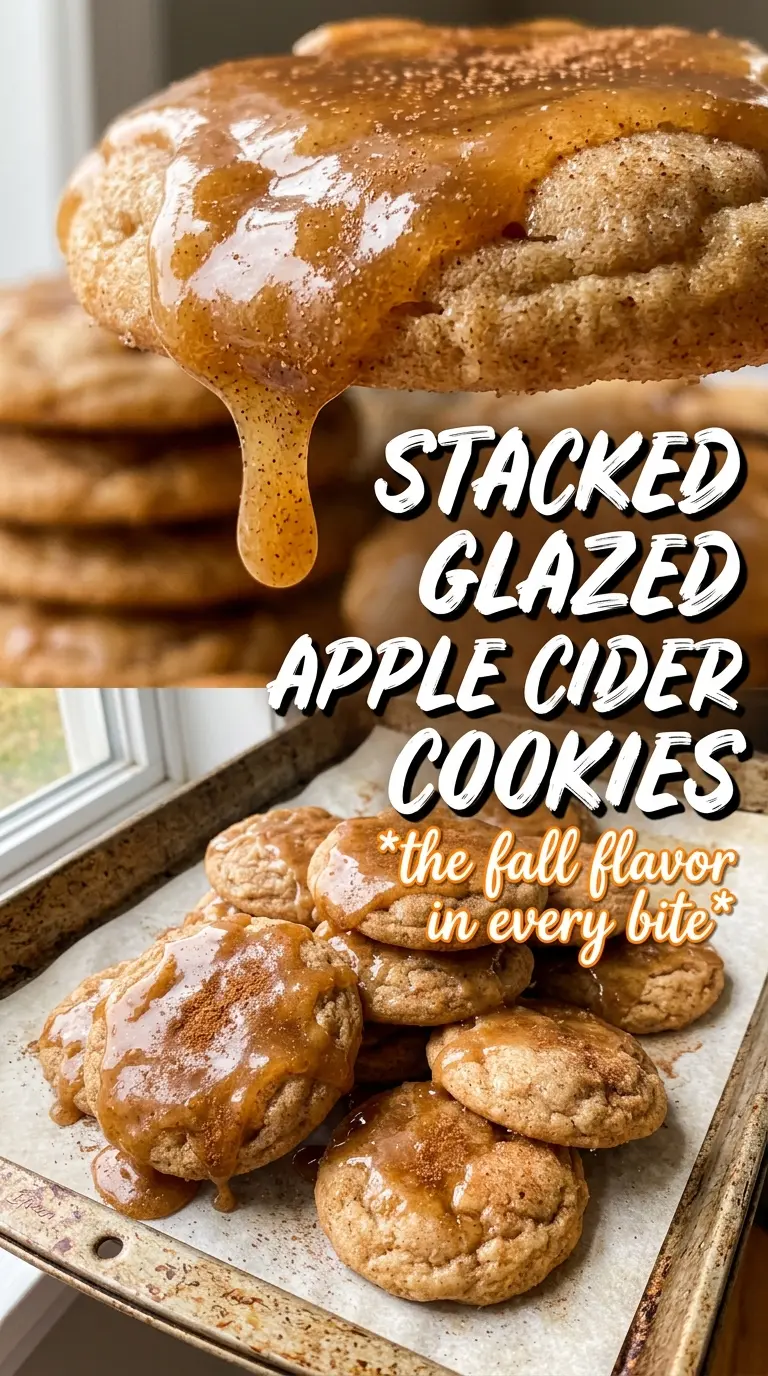
Apple cider cookies bake up soft in the middle with lightly crinkled edges and a cinnamon-sugar coat that cracks just enough when you bite in. The apple flavor doesn’t come from an extract shortcut here. It comes from reducing cider down to a concentrated syrup first, which gives the dough a deeper, rounder apple taste without making it wet or cakey.
The trick is balance. Brown sugar keeps the cookies chewy, while a small amount of granulated sugar helps the edges set and the coating cling. The spice blend leans warm instead of loud, so the cider can still come through. That reduction step matters more than anything else in the dough, because unreduced cider can throw off the texture and leave you with cookies that spread too much.
Below, I’ve included the one detail that keeps the dough from getting loose, plus a few smart swaps and storage notes if you want to bake these ahead.
The cider flavor came through beautifully, and the cinnamon sugar stayed crisp on the outside while the centers stayed soft. Reducing the cider first made a big difference — my dough wasn’t sticky at all.
These apple cider cookies get their bold apple flavor from a quick cider reduction and a cinnamon sugar coating that bakes into a soft, crinkled finish.
The Cider Reduction Is What Keeps These Cookies From Tasting Flat
Most apple cookies lean on spice and brown sugar for all the flavor, which works until you want the apple itself to show up. Reducing the cider changes that. You’re concentrating the fruit notes and removing the extra water that would otherwise make the dough slack and the bake uneven.
That reduction also helps the cookies stay soft instead of turning puffy and bready. If the cider is still thin when it goes into the dough, it dilutes the butter and sugar mixture and can push the cookies toward a spread that’s too wide or a center that never quite sets. A syrupy reduction, cooled completely, blends in like a flavor paste instead of a liquid.
- Reduced apple cider — This is the backbone of the recipe. Cool it fully before mixing it in, or it can soften the butter and make the dough greasy.
- Brown sugar — This gives the cookies chew and a deeper caramel note that supports the cider. Light or dark both work; dark brown sugar adds a little more molasses depth.
- Spices — Cinnamon, ginger, nutmeg, and allspice build a warm background, but none of them should overpower the cider. Fresh spices matter here because the cookie is simple enough that stale spice shows.
What Each Ingredient Is Actually Doing in This Dough
- All-purpose flour — Standard AP flour gives the right balance of spread and structure. Bread flour would make these too chewy and dense; cake flour would soften them too much.
- Baking soda — This helps the cookies spread a little and encourages the crinkled edges. Don’t swap in baking powder; it changes the texture and won’t give the same result.
- Butter — Softened butter creams with the sugars to trap air, which is what gives the cookies their light texture. If it’s melted, the cookies will spread too fast.
- Egg and vanilla — The egg binds the dough and adds a little lift, while vanilla rounds out the cider and spice. There isn’t a good shortcut for either one.
- Cinnamon sugar coating — This isn’t just decoration. It adds a dry outer layer that helps the cookies bake with a gentle crackle and a little extra spice on the outside.
How to Keep the Centers Soft Without Letting the Cookies Spread Too Much
Reduce the cider first
Start with the cider reduction and leave it alone until it cools completely. It should look thicker and darker, almost like a loose syrup. If you add it warm, it softens the butter too much and the dough gets sticky before it ever hits the oven.
Cream the butter and sugars until they lighten
Beat the butter, brown sugar, and granulated sugar until the mixture looks paler and fluffier, not just combined. That step gives the cookies their lift and helps the edges bake up with a little structure. If the mixture still looks heavy and grainy, keep going for another minute or two.
Watch the bake, not the clock alone
Scoop the dough into 1 1/2 tablespoon portions and roll them in the cinnamon sugar before baking. The cookies are done when the edges look set and the centers still look slightly soft; they finish on the pan as they cool. If you wait for the centers to look fully baked in the oven, they’ll end up dry once they hit room temperature.
Let them rest on the sheet pan
Five minutes on the baking sheet is part of the bake, not an extra. That short rest lets the centers firm up enough to move without breaking while keeping the texture tender. If you transfer them too soon, they can slump; if you leave them too long, the bottoms pick up too much carryover heat and dry out.
Three Ways to Adjust These Cookies Without Losing the Apple Cider Character
Gluten-Free Version
Use a cup-for-cup gluten-free flour blend that includes xanthan gum. The cookies will still spread and crinkle, but they may be a touch more delicate when warm, so give them the full cooling time on the pan before moving them.
Dairy-Free Swap
Replace the butter with a plant-based baking stick, not a tub-style spread. The baking stick holds its structure better in the oven and gives you a texture much closer to the original cookie.
Extra-Spiced Batch
If you want a stronger spice note, add another 1/4 teaspoon cinnamon or a pinch more ginger. Keep the increase small so the spice supports the cider instead of covering it up.
Storage and Reheating
- Refrigerator: Store in an airtight container for up to 5 days. The cinnamon sugar coating softens a little, but the centers stay chewy.
- Freezer: Freeze baked cookies for up to 2 months, or freeze dough balls after rolling in cinnamon sugar. Bake from frozen and add 1 to 2 minutes.
- Reheating: Warm baked cookies in a 300F oven for 4 to 5 minutes. The common mistake is microwaving them too long, which makes the sugar coating sticky and the texture gummy.
Answers to the Questions Worth Asking

Apple Cider Cookies
Ingredients
Equipment
Method
- Simmer apple cider in a small saucepan over medium heat until thick and syrupy, then cool completely.
- Preheat the oven to 350F and line baking sheets with parchment.
- Whisk together flour, baking soda, cinnamon, ginger, nutmeg, allspice, and salt.
- Beat the softened butter and both sugars until light and fluffy, about 2 minutes.
- Beat in the egg and vanilla, then mix in the cooled reduced cider until smooth.
- Fold the flour mixture into the wet ingredients until no dry streaks remain.
- Scoop dough into 1-1/2 tablespoon balls, roll them in cinnamon sugar, and place on the baking sheets.
- Bake for 10-12 minutes at 350F until the edges are set and the centers look slightly underdone.
- Cool on the pan for 5 minutes before transferring to a rack to finish cooling.