Brown butter maple pumpkin cookies bake up with chewy centers, crisp edges, and a deep nutty flavor that plain pumpkin cookies never quite reach. The maple doesn’t just sweeten the dough; it rounds out the browned butter and makes the pumpkin spice taste fuller and warmer. Finished with a thin maple glaze and a pinch of flaky salt, they hit that sweet-salty balance that keeps you reaching for one more.
What makes these work is the way the pumpkin is handled. Too much moisture is the fastest way to get cakey cookies, so the pumpkin puree gets blotted dry before it ever goes into the bowl. Browning the butter adds a toasty, almost caramel note, but it has to be cooled until solid again or the dough turns greasy and spreads too much. That extra resting time is worth every minute.
Below you’ll find the small details that matter most: how dark to brown the butter, why the dough bakes best when the pumpkin is dry, and how to glaze these so they look polished without getting sticky.
The brown butter made these taste almost caramelized, and blotting the pumpkin really kept them from puffing up like cake. The glaze set beautifully by the time they cooled, and the flaky salt on top made the maple pop.
Like these brown butter maple pumpkin cookies? Save them for the days when you want chewy centers, a maple glaze, and that little salty finish on top.
The Trick Behind Cookies That Stay Chewy Instead of Puffy
The mistake most pumpkin cookies make is leaning too hard on moisture. Pumpkin puree brings great flavor, but it also brings water, and water is what pushes cookies toward cakey, bread-like texture. Blotting the puree first changes the whole result. The dough stays richer, denser, and more cookie-like.
Brown butter matters just as much. Once the milk solids turn deep gold and smell nutty, you get a baked-in caramel note that plain softened butter can’t give you. The catch is that brown butter has to be solid again before you mix the dough. If it’s still liquid, the cookies spread fast and bake up oily around the edges.
What Each Ingredient Is Actually Doing in These Cookies
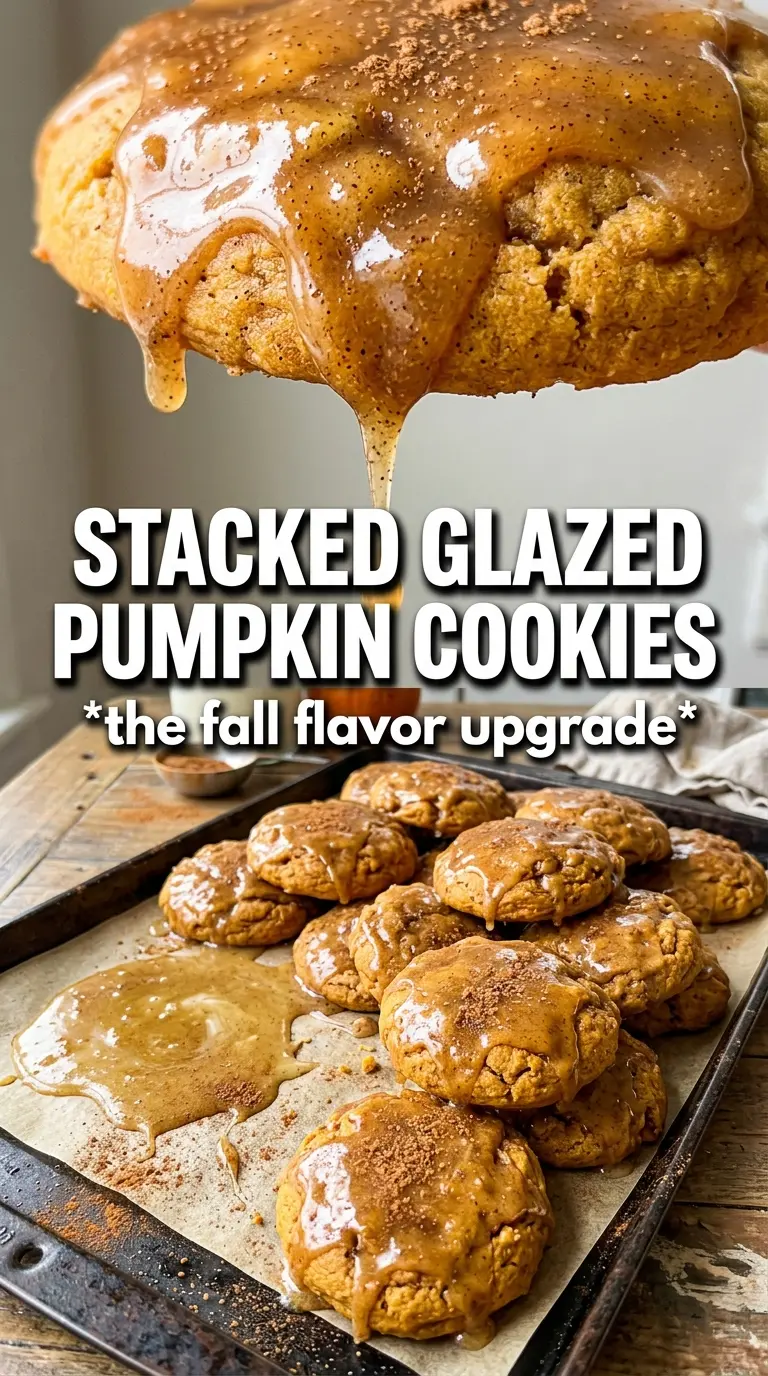
- Brown butter — This is the backbone of the flavor. It gives the cookies their toasted, nutty depth, but only if you brown it until the milk solids are golden, not pale. Let it chill until solid before mixing or the dough will spread too much.
- Pure maple syrup — Maple sweetens the dough with a deeper, rounder note than plain sugar alone. Use real maple syrup here; pancake syrup will taste flat and can make the dough cloying. It also helps the cookies stay soft in the center.
- Pumpkin puree — Pumpkin is here for flavor and tenderness, not bulk. Blot it very dry with paper towels before adding it to the bowl. That step keeps the cookies from turning cakey.
- Pumpkin pie spice and cinnamon — The spice blend gives the cookies their familiar pumpkin-cookie warmth, while the extra cinnamon sharpens the finish. If your pumpkin pie spice is old, the cookies will taste dull no matter how good the butter is.
- Maple glaze — The glaze ties everything together and gives each cookie a glossy finish. Add the milk slowly so it stays thick enough to drizzle without running off the cookies.
Building the Dough Without Losing the Brown Butter Flavor
Brown the butter until the scent turns nutty
Melt the butter over medium heat and keep it moving so the milk solids cook evenly. You want the foam to settle enough to see the bottom of the pan, then watch for specks turning amber and smelling like toasted hazelnuts. Pull it off the heat the moment it reaches a deep golden color. If you let it go too far, the flavor turns bitter instead of rich.
Cool it until it firms back up
Pour the brown butter into a bowl and refrigerate it until solid, about an hour. This part is not optional if you want cookies that hold their shape. Soft or melted brown butter makes the dough look fine at first, then the cookies spread thin in the oven. The butter should be cool, scoopable, and opaque before you beat it with the sugar.
Mix just until the flour disappears
Once the butter, brown sugar, maple syrup, pumpkin, eggs, and vanilla are creamy, add the dry ingredients and fold until no dry streaks remain. Stop there. Overmixing after the flour goes in tightens the dough and makes the cookies tougher. Scoop the dough into rounded tablespoons or 2-tablespoon portions so they bake evenly and stay soft in the center.
Bake for edges that set before the middle does
The cookies are done when the edges look golden and the centers still look slightly soft. They finish setting on the pan as they cool, so don’t wait for the tops to look completely dry in the oven. That extra minute is usually the difference between chewy and dry. Let them cool all the way before adding the glaze or it will melt straight off.
Three Ways to Adjust These Cookies Without Ruining the Texture
Dairy-Free Version
Use a good dairy-free butter that browns well, or a plant-based butter that lists a higher fat content. You’ll still need to chill it until solid before mixing. The flavor won’t be quite as nutty as real brown butter, but the cookies will still bake up chewy and soft.
Gluten-Free Swap
A 1:1 gluten-free baking flour blend works best here, especially one that includes xanthan gum. The texture will be a little more delicate, so let the cookies cool fully on the pan before moving them. Skip a rice-heavy blend if you can; those tend to bake up dry and gritty.
Less Sweet, More Spice
Cut the glaze in half and finish with flaky salt only, or leave the glaze off entirely. The cookies still have plenty of maple and brown sugar in the dough, so you won’t lose the core flavor. This version tastes more like a spiced brown butter cookie with pumpkin in the background.
Storage and Reheating
- Refrigerator: Store glazed cookies in an airtight container for up to 5 days. The glaze softens a little, but the cookies stay chewy.
- Freezer: Freeze unglazed cookies for up to 2 months. Layer them with parchment so the glaze doesn’t stick, then thaw at room temperature before glazing.
- Reheating: A few seconds in the microwave brings back the soft center, but don’t heat glazed cookies for long or the topping will turn sticky and slide off. If you want them warm, heat before glazing.
Questions I Get Asked About This Recipe
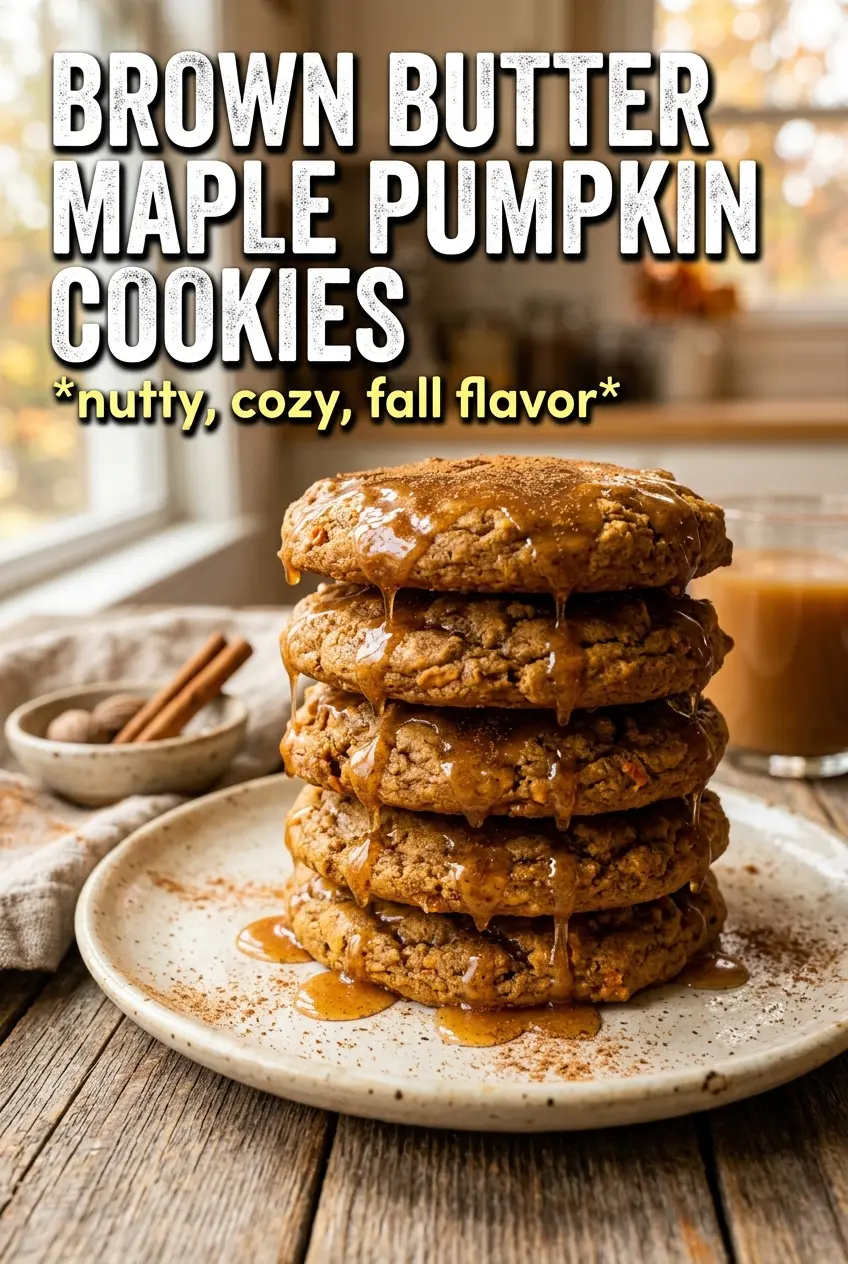
Brown Butter Maple Pumpkin Cookies
Ingredients
Equipment
Method
- Brown the butter until deeply golden, then pour it out and let it solidify before using. Refrigerate until solid, about 1 hour, until the butter is set and scoopable.
- Preheat the oven to 375F and line baking sheets with parchment. Keep the parchment ready so the dough can go straight onto the trays.
- Whisk together the all-purpose flour, baking soda, pumpkin pie spice, cinnamon, and salt in a mixing bowl. Whisk until the spices and leaveners are evenly distributed.
- Beat the solidified browned butter, brown sugar, and maple syrup until creamy. Mix until smooth, then add the blotted pumpkin, eggs, and vanilla extract.
- Fold the flour mixture into the wet ingredients until just combined. Stop when no dry streaks remain to avoid tough cookies.
- Scoop the dough into 2-tablespoon rounds and place them on the lined baking sheets. Keep spacing so the cookies spread slightly without merging.
- Bake at 375F for 10–12 minutes, until the edges are golden. The centers should look set but still slightly soft.
- Cool the cookies completely, then drizzle with maple glaze. Sprinkle with flaky salt right after drizzling so it adheres.