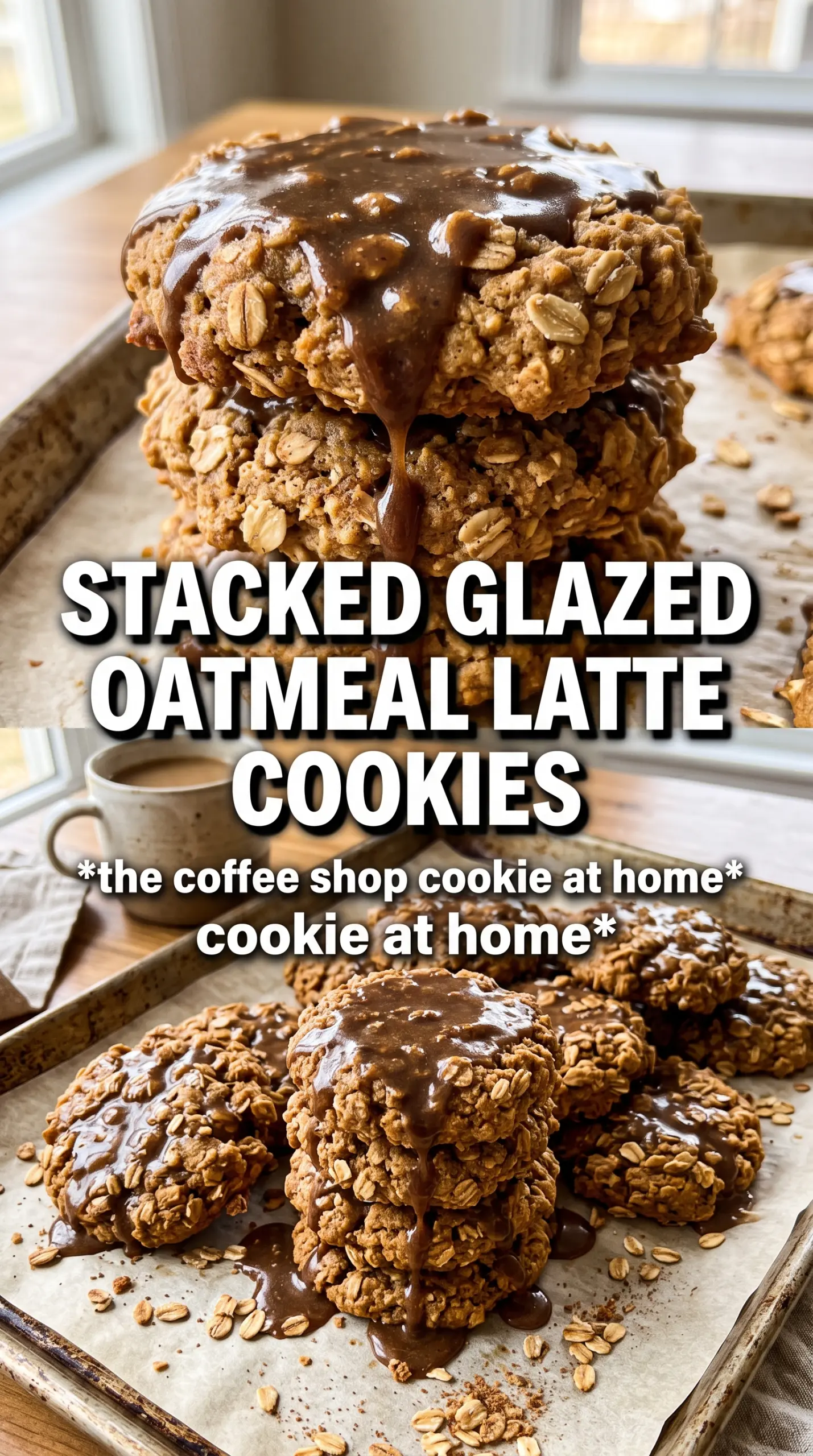
Brown butter pumpkin oatmeal latte cookies bake up thick in the middle, crisp at the edges, and packed with that cozy mix of toasted butter, pumpkin spice, and espresso. The oats give them a hearty chew, the toffee bits melt into little pockets of caramel, and the flaky salt on top keeps every bite from leaning too sweet. They taste like a bakery cookie with a mug of coffee beside it.
The brown butter is what gives these cookies their depth, but it has to be cooled back down until solid before you mix the dough or the cookies spread too much. Blotting the pumpkin puree dry matters just as much; pumpkin brings flavor and softness, but excess moisture turns these from chewy to cakey fast. Espresso powder doesn’t make them taste like coffee cake. It sharpens the brown butter and pumpkin in a way that reads as warm and grown-up.
Below, you’ll find the trick for getting the butter back to a creamy state after browning it, plus a few smart swaps if you want to adjust the oats, skip the toffee, or store the dough ahead.
The brown butter made these taste rich instead of flat, and the oats kept the centers chewy for days. I followed the pumpkin tip and the cookies actually held their shape.
Pin these brown butter pumpkin oatmeal latte cookies for the chewy oat texture, espresso warmth, and flaky salt finish.
The Brown Butter and Pumpkin Trick That Keeps These Cookies Chewy
Most pumpkin cookies go soft and cakey because the dough holds too much moisture. Brown butter changes the game here because it adds flavor without extra water, but it has to be fully cooled and solid again before it goes into the bowl. If you try to beat in butter that’s still soft or warm, the dough loosens up and the cookies spread instead of staying thick.
The other piece that matters is the pumpkin itself. A dry-blotted third of a cup is plenty. That small amount gives the cookies color and warmth without turning the crumb bready. The oats also help hold the structure, so these stay chewy at the center instead of sinking into a muffin-like texture.
What Each Ingredient Is Actually Doing in These Cookies
- Brown butter — This is the main flavor here. It brings a toasted, nutty depth that regular butter can’t match. Cool it until solid again before mixing so the dough creams properly and the cookies don’t flatten out.
- Pumpkin puree — Use canned pumpkin, but blot it well between paper towels. The pumpkin should add flavor and tenderness, not excess water. If you skip the blotting, the cookies bake up softer and puffier than intended.
- Espresso powder — This doesn’t make the cookies taste like a latte in the obvious way. It deepens the brown butter and makes the spice taste richer. Instant espresso powder works best, but a strong coffee-flavored powder will do the job.
- Old-fashioned rolled oats — These give the cookies their chew and keep the texture hearty. Quick oats will work in a pinch, but the cookies will be tighter and a little less rustic. I wouldn’t use steel-cut oats here.
- Toffee bits — These melt into little caramel pockets and add crunch at the edges. If you leave them out, the cookies still work, but you lose some of the contrast that makes them stand out.
Building the Dough So It Bakes Thick Instead of Flat
Creaming the Re-solidified Butter
Beat the browned butter with both sugars until it looks fluffy and slightly paler. The butter should be solid but not rock-hard; if it feels greasy, it needs more time in the fridge. This step traps air, which helps the cookies lift and keeps the centers from turning dense. If the mixture looks separated, keep beating for another minute before moving on.
Adding the Pumpkin Without Making the Dough Wet
Mix in the blotted pumpkin, eggs, and vanilla after the butter and sugar are creamy. The dough may look a little loose at first, and that’s normal. What you don’t want is a shiny, soupy batter; that means the pumpkin wasn’t dry enough or the butter was too warm. The eggs should disappear into the mixture without streaks before you add the dry ingredients.
Folding in the Dry Ingredients and Oats
Add the flour mixture first, then fold in the oats and toffee bits just until no dry streaks remain. Stop as soon as the dough comes together. Overmixing here toughens the cookie and makes the oats feel crowded instead of chewy. The finished dough should be thick enough to mound on a scoop and hold its shape for a moment before settling.
Baking to the Right Edge
Scoop the dough into 2-tablespoon rounds and bake until the edges are golden and the centers still look a little soft. That’s the cue. Pulling them when the middle still looks slightly underdone gives you that chewy finish after they cool. Let them sit on the pan for 5 minutes, then move them to a rack and finish with flaky salt while they’re still warm enough for it to stick.
Three Ways to Tweak These Without Losing What Makes Them Good
Dairy-Free Version
Use a good dairy-free butter substitute and brown it only if the brand behaves like real butter; some plant butters won’t brown in the same way. If yours doesn’t, skip the browning and use it softened, then add a pinch more espresso powder for depth. The texture stays close, but the toasted note will be a little less pronounced.
Gluten-Free Swap
Use a 1:1 gluten-free baking flour in place of the all-purpose flour and keep the oats certified gluten-free. The cookies will still be chewy from the oats, but the crumb may be a little more tender and less crisp at the edges. Don’t swap in almond flour here on its own; it won’t give the same structure.
Skipping the Toffee Bits
Leave them out and replace them with an equal amount of chopped toasted pecans or chocolate chunks. Pecans keep the nutty feel in step with the brown butter, while chocolate pushes the cookies in a darker, more mocha-like direction. You can also do half-and-half if you want a little crunch and a little melt.
Storage and Reheating
- Refrigerator: Store in an airtight container for up to 5 days. The cookies stay chewy, though the oats will soften a bit by day two.
- Freezer: These freeze well baked or as scoops of dough. Freeze baked cookies in a single layer, then transfer to a bag; freeze dough balls on a tray and bake from frozen, adding 1 to 2 minutes.
- Reheating: Warm baked cookies in a 300F oven for 4 to 5 minutes or give one cookie 10 to 12 seconds in the microwave. Don’t overheat them or the edges go dry before the center softens.
Questions I Get Asked About This Recipe

Brown Butter Pumpkin Oatmeal Latte Cookies
Ingredients
Equipment
Method
- Brown the unsalted butter in a skillet until golden-brown and nutty, then pour it out and let it cool until solid.
- Refrigerate the solidified browned butter until firm, about 1 hour.
- Preheat the oven to 375F and line baking sheets with parchment.
- Whisk together all-purpose flour, baking soda, pumpkin pie spice, espresso powder, cinnamon, and salt.
- Beat solidified browned butter, brown sugar, and granulated sugar until creamy.
- Beat in pumpkin puree, then add eggs and vanilla extract and mix until smooth.
- Fold the flour mixture into the wet ingredients just until no dry streaks remain.
- Fold in old-fashioned rolled oats and toffee bits until evenly distributed.
- Scoop dough into 2-tablespoon rounds and place them on the prepared baking sheets.
- Bake for 10-12 minutes, until the edges are golden and the centers look set.
- Sprinkle flaky salt on top, then cool on the pan for 5 minutes before transferring to a rack.