Golden chicken and blistered vegetables are what make this skillet dinner worth keeping in the regular rotation. The chicken picks up a deep sear before the peppers, zucchini, and onion go into the same pan, so every bite gets a little char, a little sweetness, and a light garlic herb finish without turning the vegetables soft or dull.
The trick is treating the pan like a hot stage, not a place to gently simmer everything together. High heat builds color fast, and the quick splash of broth lifts the browned bits off the skillet so the sauce tastes like the pan itself instead of plain butter. A final toss with butter gives everything a glossy coat that clings to the chicken and vegetables instead of pooling underneath.
Below, I’m breaking down the parts that matter most: how to keep the chicken juicy, why the vegetables need room to brown, and what to do if you want to swap in different produce without losing that same skillet finish.
The chicken stayed juicy, the peppers had that little char I was hoping for, and the sauce from the broth and butter coated everything instead of watering it down. My husband went back for seconds before I even sat down.
Save this chicken and vegetables skillet for the nights when you want golden seared chicken, charred vegetables, and a fast one-pan sauce.
The Difference Between Browned Chicken and Steamed Chicken
The biggest mistake in a chicken and vegetables skillet is crowding the pan. If the chicken pieces sit too close together, they release moisture, and instead of searing, they steam. That leaves you with pale chicken and soft vegetables that never really pick up the skillet flavor this dish needs.
Use a large cast iron skillet if you have one, and don’t rush the heat. The chicken should hit the pan and sizzle immediately. When it’s ready to turn, it will release without fighting you. If it sticks, give it another minute; forcing it too early tears off the crust you worked for.
- Chicken breasts — Cut them into even strips so they cook at the same pace. Thin, uniform pieces brown faster and stay tender, while uneven chunks can dry out before the biggest pieces are done.
- Bell peppers, zucchini, and onion — These vegetables hold up well to high heat and give the skillet color and sweetness. Zucchini can go soft if it sits too long, so keep the pieces thick enough to stay intact after the quick char.
- Chicken broth — This is the deglazing liquid that turns the browned bits into sauce. Water will work in a pinch, but broth adds a deeper savory note that makes the pan taste finished instead of thin.
- Butter — Added at the end, it rounds out the sauce and helps it cling. Don’t add it early, or it can separate and lose that glossy finish.
What Each Ingredient Is Doing in the Pan
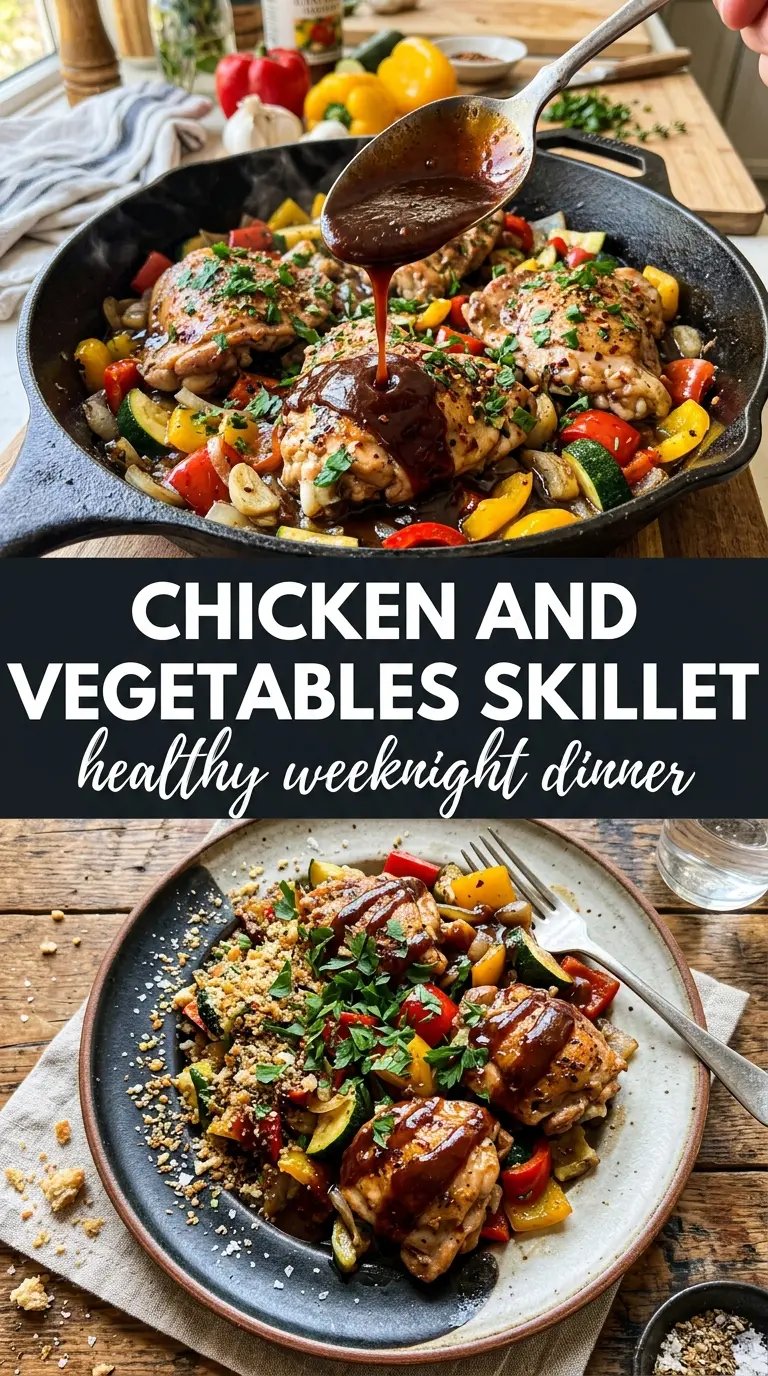
The seasoning on the chicken does more than add flavor. Italian seasoning and smoked paprika help build a savory crust before the vegetables ever go in, and that first layer matters because it seasons the entire skillet from the start. The paprika also nudges the chicken toward that deep golden color you want in a one-pan dinner.
Garlic goes in after the vegetables have had time to char because minced garlic burns fast over high heat. If you add it too early, it turns bitter and can overpower the light sauce. The parsley and lemon at the end aren’t decoration; they sharpen the whole dish and keep the butter from tasting heavy.
Building the Sear Before the Sauce Goes In
Season the Chicken First
Coat the chicken strips with the Italian seasoning, smoked paprika, salt, and pepper before they ever touch the skillet. That dry seasoning mix helps the surface brown and gives the meat a head start on flavor. If the chicken looks wet going into the pan, pat it dry first so the oil can do its job instead of sputtering moisture.
Cook the Chicken in a Single Layer
Add the chicken to hot olive oil and leave space around each piece. The goal is a deep golden edge, not a pale toss-around cook. If you pile it up, the skillet temperature drops and the chicken starts steaming; work in batches if your pan is crowded.
Char the Vegetables Quickly
Once the chicken comes out, the peppers, zucchini, and onion go into the same hot pan. Stir just enough to keep them from burning, but not so often that they lose contact with the skillet. You want blistered edges, softened onions, and zucchini that still has shape in the center.
Finish with Broth and Butter
Garlic only needs about a minute, just until fragrant, then the broth goes in to loosen the browned bits. When the liquid has reduced slightly, pull the pan off the heat and add the butter. That last off-heat toss keeps the sauce smooth and glossy instead of greasy or split.
How to Adapt This One-Pan Dinner Without Losing the Skillet Finish
Make It Dairy-Free
Swap the butter for a dairy-free butter-style spread or a drizzle of extra olive oil. You’ll lose a little of the sauce’s roundness, but the pan will still finish glossy if you toss everything while the broth is still hot.
Swap in Chicken Thighs
Boneless skinless thighs give you a juicier result and are a little more forgiving if the pan runs hot. They may take a minute or two longer than breasts, but they brown beautifully and stay tender even if you’re a little aggressive with the heat.
Use What Vegetables You Have
Broccoli florets, mushrooms, green beans, or snap peas all work here. Keep the cuts similar in size and match the cook time to the vegetable: harder vegetables go in first, tender ones later so they don’t collapse before the chicken is back in the pan.
Make It Gluten-Free
This recipe is naturally gluten-free as written as long as your chicken broth is certified gluten-free. That matters because broth is the one packaged ingredient most likely to sneak in a flour-based additive.
Storage and Reheating
- Refrigerator: Store leftovers in an airtight container for up to 4 days. The vegetables soften a bit, but the flavor holds up well.
- Freezer: It freezes, but the zucchini will lose some texture. If you want to freeze it, cool it completely first and pack it tightly for up to 2 months.
- Reheating: Reheat in a skillet over medium-low heat with a splash of broth to loosen the sauce. The common mistake is blasting it in the microwave, which dries out the chicken and makes the vegetables limp.
Answers to the Questions Worth Asking
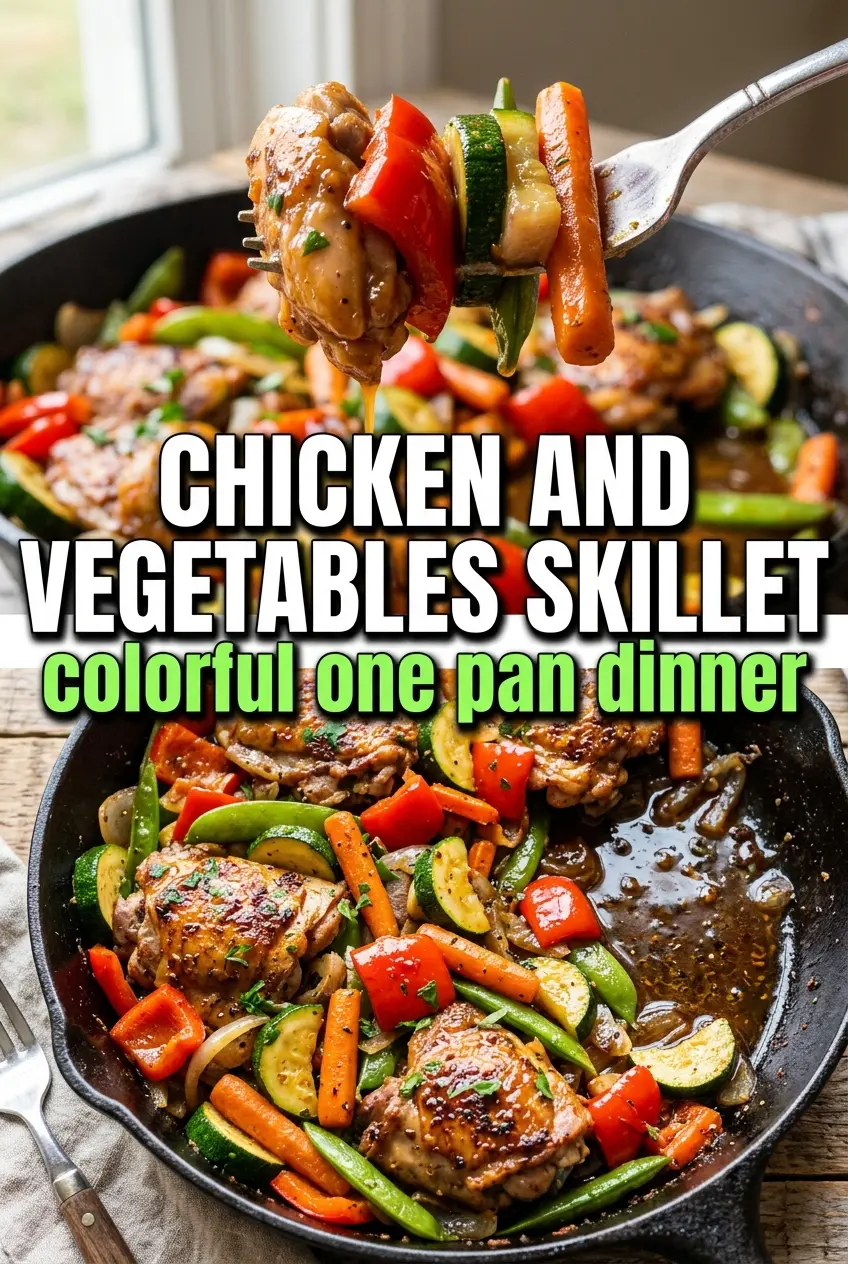
Chicken and Vegetables Skillet
Ingredients
Equipment
Method
- Season the chicken strips with Italian seasoning, smoked paprika, salt, and pepper.
- Heat olive oil in a large cast iron skillet over high heat and sear the chicken for 4-5 minutes, until deeply golden and cooked through to 165°F; remove to a plate.
- Add bell peppers, zucchini, and red onion to the same pan and cook over high heat for 5-6 minutes until blistered and slightly charred.
- Add garlic and cook for 1 minute until fragrant, then pour in chicken broth and deglaze, scraping up the browned bits.
- Return the chicken to the pan, add butter, and toss everything until coated and glossy.
- Garnish with fresh parsley and serve with lemon wedges.