Glossy chicken lo mein has a way of disappearing fast once it hits the table. The noodles stay slick with savory sauce, the chicken stays tender, and the vegetables keep enough bite to keep every forkful interesting. What makes this version worth repeating is the balance: enough sauce to coat every strand without puddling at the bottom, and enough heat to give the noodles that just-tossed restaurant feel.
The trick is keeping the sauce ready before the pan gets hot and cooking the chicken in a single layer so it sears instead of steaming. Lo mein goes wrong when the pan is crowded or the noodles sit too long in the sauce; both lead to soggy noodles and pale chicken. Here, everything moves quickly, which is exactly what keeps the texture right.
Below, I’ve included the ingredient swaps that still work, the part of the stir-fry that matters most, and the reheating note that keeps leftovers from turning dull and sticky.
The sauce coated every noodle without turning heavy, and the chicken stayed juicy even after tossing everything together. I used cabbage instead of bok choy and it still had that takeout-style crunch my husband kept going back for.
Like the glossy, takeout-style finish on this chicken lo mein? Save it to Pinterest for the nights when you want fast noodles with tender chicken and crunchy vegetables.
The Reason Lo Mein Gets Soggy Before You Even Serve It
Lo mein turns mushy when the noodles sit in sauce too long or the pan doesn’t stay hot enough to evaporate the extra moisture. That’s why this dish moves fast and why the noodles go in at the very end. You’re not simmering anything here. You’re tossing cooked noodles through a hot skillet so the sauce clings instead of soaking in.
The other thing that saves the texture is cooking the vegetables just until they’re bright and still a little crisp. Bok choy, cabbage, carrots, and sprouts all release water at different rates, so they need a quick hit of heat, not a long stir-fry. If you keep the pan moving and stay honest about the heat, the noodles finish glossy instead of gummy.
- High heat gives you the fast toss that keeps the noodles from getting heavy.
- Cooked noodles should be loosened before they hit the wok; clumps steal heat and make uneven sauce coverage.
- Vegetables added in layers stay crisp instead of collapsing into the sauce.
What Each Ingredient Is Actually Doing in This Bowl
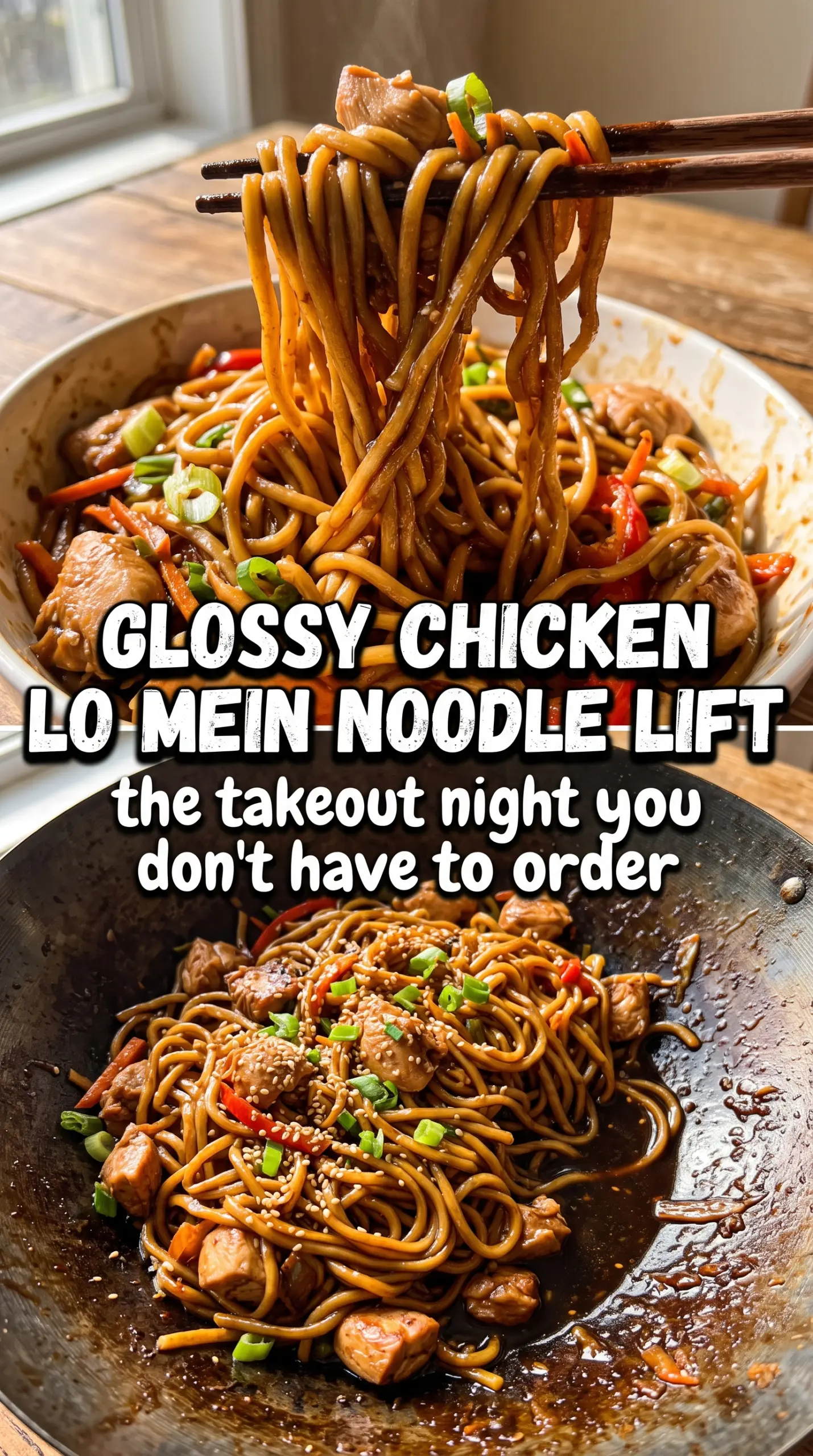
- Lo mein noodles or spaghetti — Traditional lo mein noodles have the best chew, but spaghetti works well when that’s what you have. The key is cooking either just to tender, then draining it well so the sauce can coat instead of slide off.
- Chicken breast — Thin slices cook quickly and stay tender if you don’t crowd the pan. Chicken thighs also work and give you a little more forgiveness if you’re nervous about overcooking.
- Sesame oil — Use it twice: once in the sauce for depth and once at the end for aroma. It’s not a cooking oil here; too much heat flattens its flavor.
- Oyster sauce and hoisin — These are doing the heavy lifting for that takeout-style savory-sweet coating. If you skip one, the sauce loses body, and soy sauce alone tastes thin.
- Bok choy or cabbage — Bok choy brings a softer crunch and a little freshness, while cabbage holds its bite longer. Either one is a good choice, depending on what’s in the fridge.
- Bean sprouts and green onions — Add freshness at the end. If they go in too early, they lose the crisp finish that keeps the dish lively.
Building the Stir-Fry So Every Bite Stays Glossy
Mix the sauce before the pan heats up
Whisk the soy sauce, oyster sauce, hoisin, brown sugar, and sesame oil together before you start cooking. Once the wok is hot, there’s no time to measure or search for bottles, and that delay is how chicken overcooks. The sauce should look smooth and dark, with the sugar fully dissolved.
Brown the chicken, then get it out of the pan
Cook the sliced chicken in hot vegetable oil until it’s just cooked through and the edges pick up a little color. Pull it out before it dries out. If you leave it in while the vegetables cook, it keeps steaming and can turn stringy by the time the noodles go in.
Stir-fry the vegetables fast
Add the garlic and ginger for just 30 seconds, long enough for the pan to smell sharp and fragrant. Then add the bok choy, carrots, and bean sprouts and toss them until the greens soften slightly but still look fresh. If the garlic starts browning hard, the pan is too hot or you waited too long before moving in the vegetables.
Finish with the noodles and sauce together
Return the chicken to the pan, add the noodles, and pour the sauce over everything at once. Toss over high heat for about 2 minutes until the noodles look evenly coated and the sauce clings in a thin sheen. If the pan seems dry before the noodles are glossy, add a spoonful of water instead of more sauce; extra sauce can make the whole dish taste muddy.
Three Ways to Change This Lo Mein Without Losing the Plot
Gluten-Free Lo Mein
Use gluten-free rice noodles or a sturdy gluten-free spaghetti, and swap in gluten-free tamari for the soy sauce. The sauce still tastes rich, but the noodles soften faster, so toss them through the wok briefly and serve right away.
Dairy-Free and Egg-Free by Default
This recipe already fits both needs as written, which is part of why it works so well for a quick weeknight dinner. Just double-check your noodles if you’re using a packaged brand, since some pasta-style noodles contain egg.
Vegetarian Lo Mein
Skip the chicken and add sliced mushrooms, extra cabbage, or snow peas for more body. Replace the oyster sauce with a vegetarian stir-fry sauce or mushroom-based vegetarian oyster sauce so the sauce keeps that deep, savory backbone.
Storage and Reheating
- Refrigerator: Store leftovers in an airtight container for up to 4 days. The noodles will absorb some sauce as they sit, so they’ll look a little less glossy the next day.
- Freezer: It freezes, but the noodle texture softens after thawing, so I only freeze it if I’m trying to save a full batch. Cool completely first, then pack tightly in freezer containers for up to 2 months.
- Reheating: Reheat in a skillet over medium heat with a splash of water to loosen the sauce. The common mistake is blasting it in the microwave until the noodles dry out around the edges and the chicken turns tough.
Answers to the Questions Worth Asking
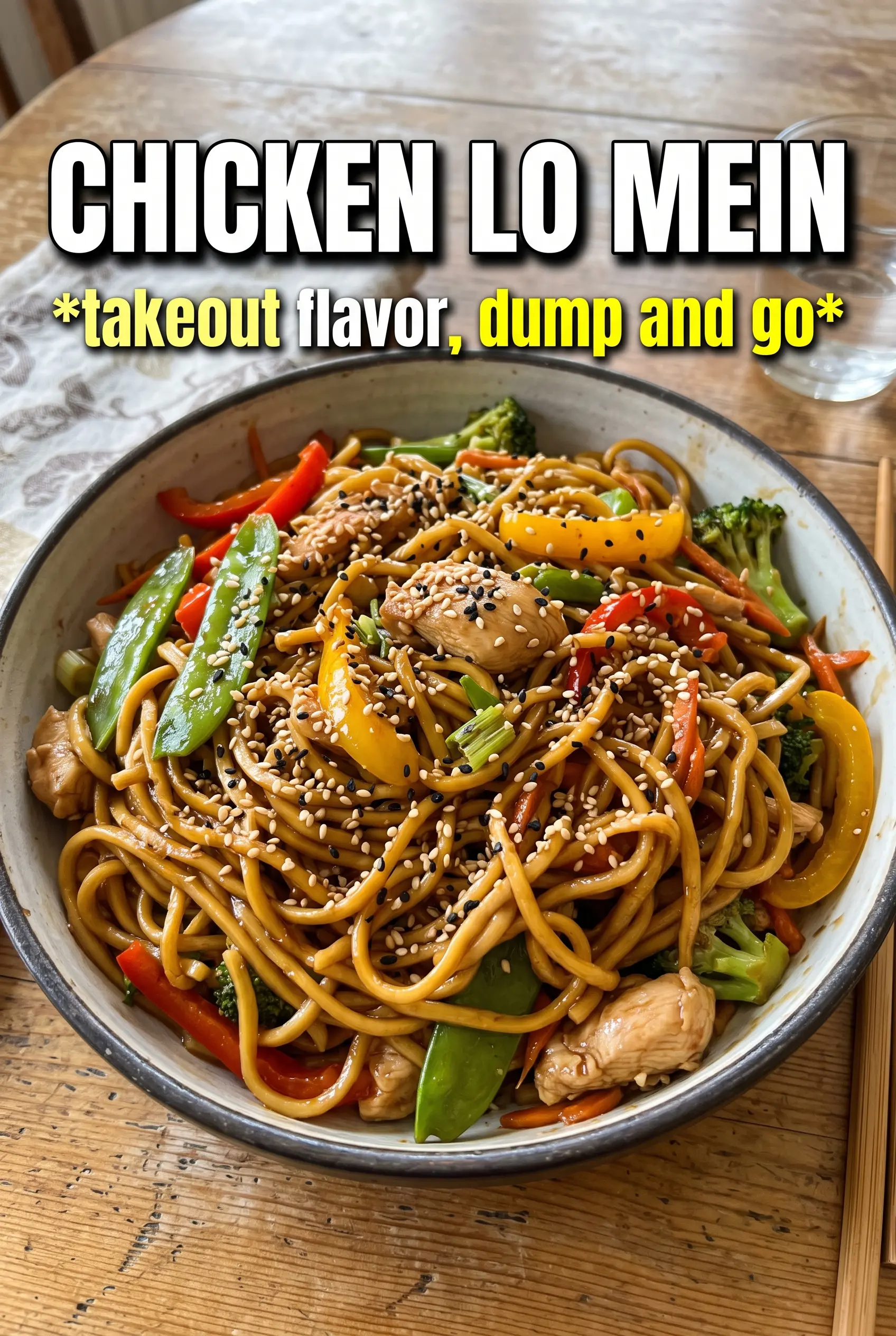
Chicken Lo Mein
Ingredients
Equipment
Method
- Whisk together soy sauce, oyster sauce, hoisin sauce, brown sugar, and 1 teaspoon sesame oil until smooth, then set the sauce aside.
- Heat vegetable oil in a wok or large skillet over high heat, add chicken, and stir-fry for 3–4 minutes until cooked through, then remove and set aside.
- In the same wok, add remaining vegetable oil, stir-fry garlic and fresh ginger for 30 seconds over high heat, until fragrant.
- Add bok choy or cabbage, shredded carrots, and bean sprouts, then stir-fry for 3 minutes over high heat until crisp-tender.
- Return chicken to the wok, add cooked lo mein noodles, and pour the sauce over everything.
- Toss over high heat for 2 minutes until noodles are evenly coated and heated through, with a glossy sheen.
- Drizzle with the remaining sesame oil, then top with green onions and sesame seeds for garnish before serving immediately.