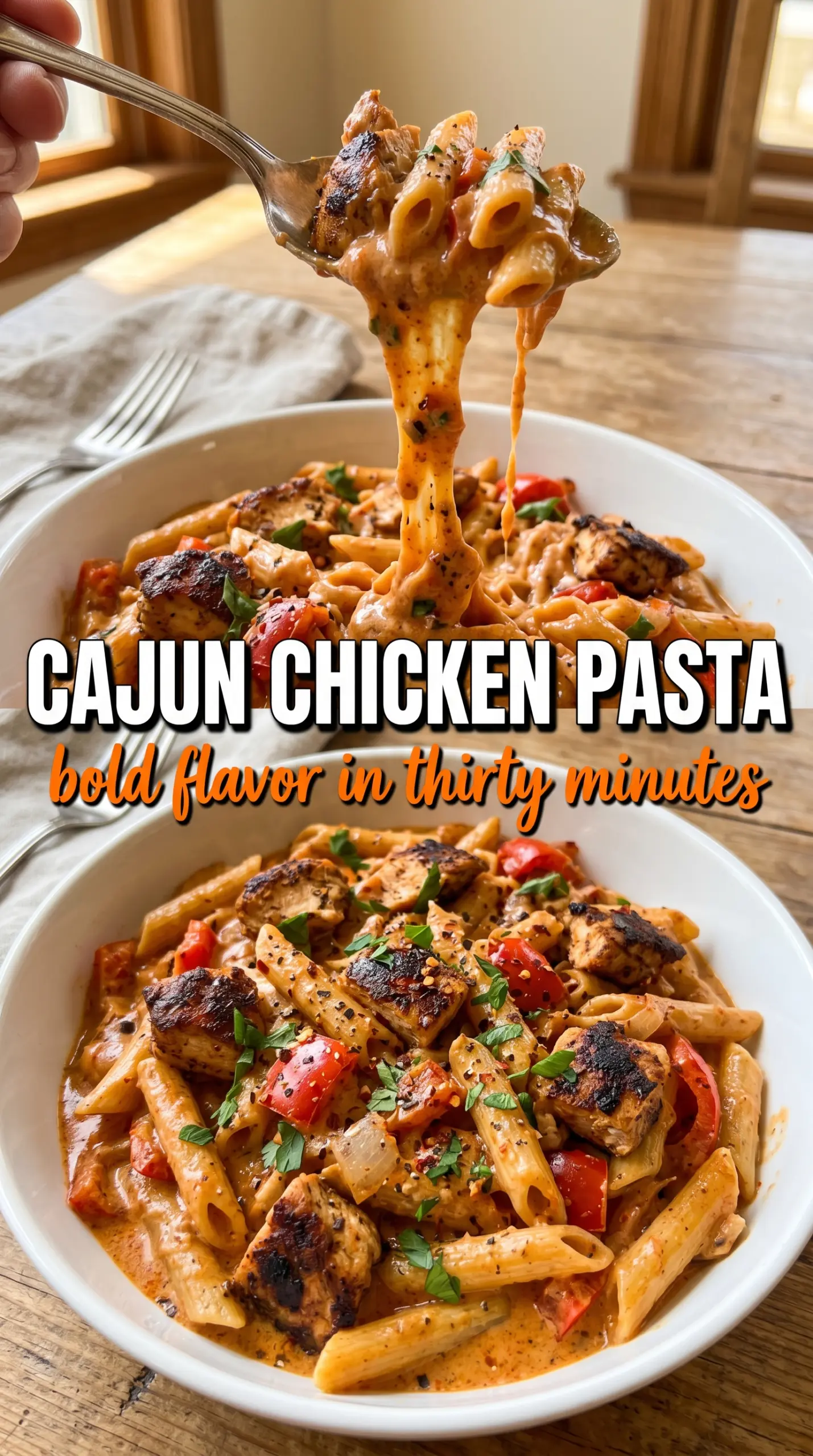
Penne coated in a rusty-red Cajun cream sauce has a way of disappearing fast, especially when the chicken is deeply seared and the bell peppers still have a little bite. This version earns its keep because the sauce clings to the pasta instead of pooling at the bottom of the pan, and the seasoning lands in layers instead of all at once.
The trick is splitting the Cajun seasoning between the chicken and the sauce, then building everything in the same skillet so the browned bits from the chicken become part of the final flavor. Heavy cream, broth, and parmesan work together here, but the pasta water is what gives the sauce that glossy finish and helps it coat every piece of penne without turning heavy.
Below you’ll find the timing that keeps the chicken juicy, the point where the sauce should look before the cheese goes in, and a few smart swaps if you want to adjust the heat or make this work with what you have on hand.
The sauce thickened up perfectly and coated every bite of penne, and the chicken stayed juicy instead of drying out. I also loved that the peppers kept a little crunch.
Save this creamy Cajun chicken pasta for the nights when you want a bold, one-skillet sauce that clings to every penne ridge.
The Secret to Keeping Cajun Cream Sauce Rich Instead of Grainy
The fastest way to ruin a cream sauce is to rush the heat. Parmesan does not like a rolling boil, and heavy cream only needs a gentle simmer to tighten up and turn glossy. If the sauce ever looks greasy or broken, the burner was too hot when the cheese went in.
That’s why the chicken gets cooked first and removed from the skillet. The browned bits left behind bring depth to the sauce, but the pan needs a quick reset with butter and peppers before the cream goes in. You want a calm simmer, not a furious bubble.
- Cajun seasoning — This is the backbone of the dish, so use one you actually like eating. Some blends are saltier than others, which is why the recipe leaves room for tasting at the end. If yours is very spicy, start with a little less on the chicken and add more to the sauce only if needed.
- Heavy cream — This gives the sauce body and keeps it stable. Half-and-half will work in a pinch, but the sauce will be thinner and less luxurious. If you swap it, keep the simmer gentle and expect to use a little more pasta water to help the sauce cling.
- Parmesan — Freshly grated parmesan melts smoother than the shelf-stable kind. Pre-grated cheese can still work, but it’s more likely to make the sauce a little sandy. Add it off the strongest heat and stir until it disappears into the cream.
- Pasta water — Don’t skip the reserved pasta water. The starch is what helps the sauce emulsify and coat the penne instead of sliding off. Add it a splash at a time so the sauce stays thick, not loose.
What Each Ingredient Is Actually Doing in This Recipe
- Primary ingredient (the star) — Quality matters most. Choose the best you can find.
- Cooking medium (oil, butter, or broth) — This carries flavors and prevents dryness.
- Seasonings (salt, pepper, spices, herbs) — Layer flavors so nothing overpowers. Build depth gradually.
- Aromatics (garlic, onion, herbs) — Cook with fat to bloom flavors. Become the foundation.
- Supporting ingredients — Complement the main ingredient without overpowering it.
- Sauce or liquid (if applicable) — Brings flavors together. Balance richness with acid.
- Acid (lemon, vinegar, wine, or other) — Brightens and prevents flat-tasting results.
- Final finish (garnish, glaze, or sauce) — Prevents one-dimensional taste and adds visual appeal.
Building the Pan in the Right Order
Get the Chicken Dark Before You Think About the Sauce
Toss the chicken with half the Cajun seasoning, then sear it in hot oil until the outside is deeply browned and the edges look almost blackened. That color is where the big flavor lives. If the pan is crowded, the chicken will steam and turn pale, so cook it in a single layer if you need to do it in batches.
Use the Same Skillet for the Peppers and Garlic
Melt the butter in the same pan and cook the peppers until they soften but still hold their shape. They should pick up the color from the pan without going limp. Add the garlic only for the last minute; if it browns hard, it turns bitter and gets lost under the cream.
Let the Cream Simmer Before the Cheese Goes In
Pour in the broth and cream, then let the mixture simmer until it looks slightly reduced and takes on a satin finish. That’s your signal that the sauce has enough body to carry the pasta. Stir in the parmesan over low heat, not high, or it can clump instead of melting into the sauce.
Finish With Pasta Water Until the Sauce Loosens and Clings
Add the drained penne and chicken back to the pan, then toss everything together. The sauce should coat the pasta in a thick sheen, not sit like soup at the bottom. If it looks too tight, splash in a bit of pasta water and toss again until the sauce moves smoothly across the noodles.
What to Change When You Need This Pasta to Fit Your Kitchen
Make It Dairy-Free Without Losing All the Body
Use full-fat canned coconut milk in place of the cream and a dairy-free parmesan-style topping if you have one that melts well. The sauce won’t taste exactly the same, and it will have a faint coconut note, but it still gets creamy enough to coat the pasta. Keep the heat low once the coconut milk goes in so it doesn’t separate.
Make It Gluten-Free With One Easy Swap
Use your favorite gluten-free penne and cook it just to al dente, since it can soften more as it sits in the sauce. The sauce itself is naturally gluten-free as long as your Cajun seasoning blend is too. Reserve a little extra pasta water because gluten-free pasta often needs more help loosening the sauce.
Dial the Heat Up or Down Without Changing the Dish
For a milder pan, use a less aggressive Cajun blend and hold back a little of the seasoning until the final toss. For more heat, add a pinch of cayenne with the garlic or finish with extra Cajun seasoning at the table. The key is to adjust late, after the cream has had a chance to mellow the spice.
Storage and Reheating
- Refrigerator: Store leftovers in an airtight container for up to 4 days. The sauce will thicken as it chills, and the pasta will absorb some of it.
- Freezer: This dish freezes, but the cream sauce can separate a little when thawed. If you do freeze it, cool it completely first and use it within 2 months for the best texture.
- Reheating: Warm it gently on the stove over low heat with a splash of broth, cream, or water. The biggest mistake is blasting it in the microwave or over high heat, which can make the sauce split and the chicken dry out.
Answers to the Questions Worth Asking
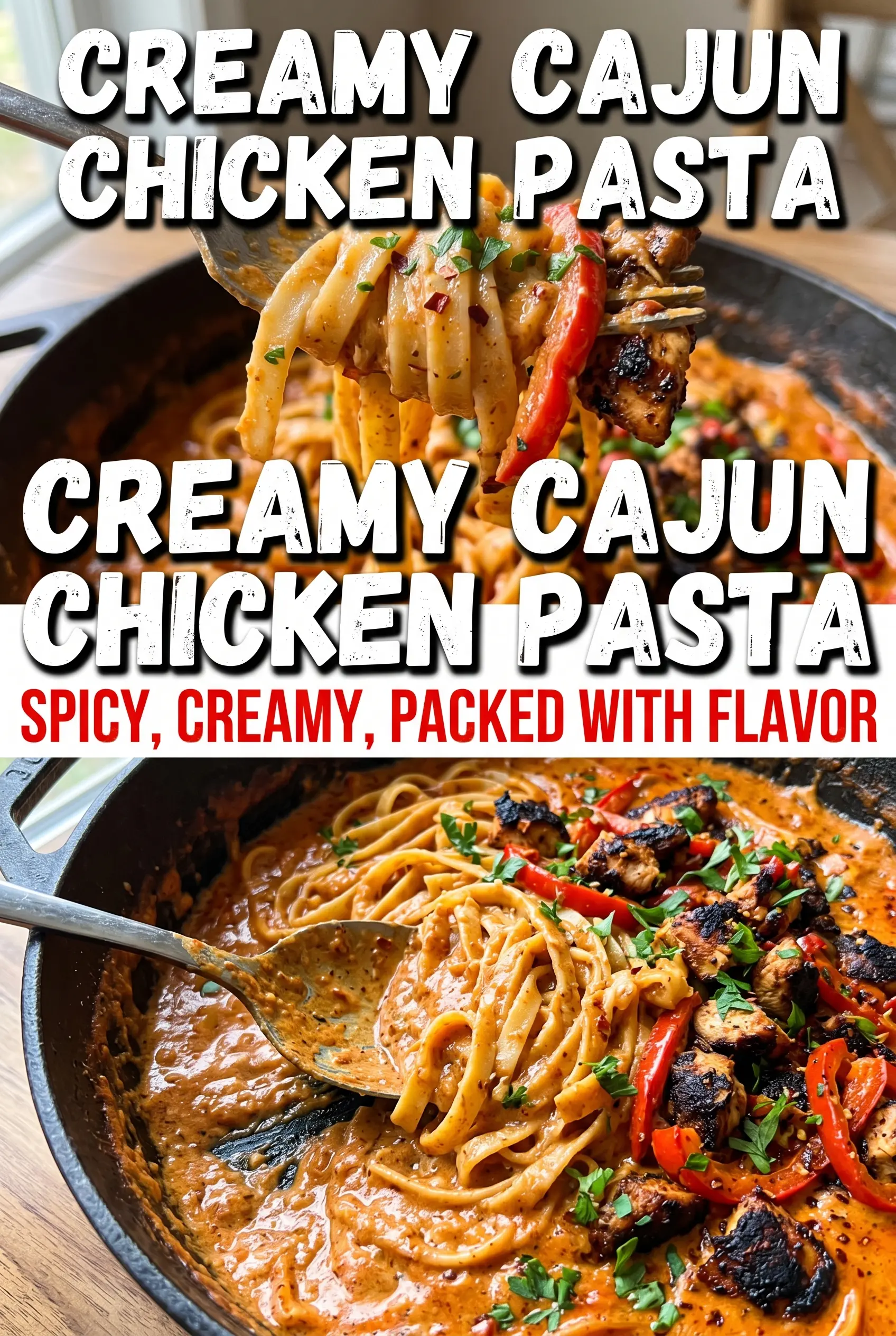
Creamy Cajun Chicken Pasta
Ingredients
Equipment
Method
- Bring a pot of salted water to a boil and cook the penne until al dente. Reserve 1/2 cup pasta water, then drain the pasta.
- Toss the chicken strips with 1 tablespoon Cajun seasoning to coat. Heat olive oil in a large skillet over high heat and sear the chicken for 4–5 minutes until deeply blackened and cooked, then set aside.
- Melt butter in the same skillet, then sauté the bell peppers for 3–4 minutes. Add garlic and the remaining Cajun seasoning and cook for 1 minute, stirring constantly.
- Add chicken broth and heavy cream to the skillet and simmer for 4–5 minutes until slightly thickened. Stir occasionally to keep the sauce smooth.
- Stir in the parmesan until melted, then toss in the pasta and the reserved chicken. Add reserved pasta water as needed to make the sauce cling to every piece.
- Serve immediately, topped with fresh parsley.