Steaming bowls of dumpling ramen bowl hit that sweet spot between fast weeknight comfort and takeout-level payoff. The broth turns savory and layered without needing hours on the stove, the dumplings stay tender, and the noodles give the whole bowl that slurpable, satisfying finish. Add a jammy egg and a hit of chili oil, and you’ve got a meal that feels complete without being fussy.
What makes this version work is the balance: white miso brings depth, soy sauce sharpens it, and mirin softens the edges just enough. Cooking the dumplings straight in the broth keeps the filling juicy and lets a little of that flavor seep into the soup, while the noodles are cooked separately so they don’t turn cloudy or gummy in the bowl. The result tastes bright, rich, and put together, even though it comes together in about half an hour.
Below, I’ll walk through the small details that keep the broth clean and the dumplings intact, plus a few swaps if you want to change up the vegetables or make it work with what’s already in your freezer.
The broth was deeper than I expected for such a quick soup, and the dumplings stayed tender instead of falling apart. I loved the way the miso, sesame, and chili oil worked together with the soft egg yolk.
Save this dumpling ramen bowl for the night you want a fast broth, tender dumplings, and a jammy egg without extra cleanup.
The Mistake That Makes Dumpling Ramen Taste Thin
The broth needs enough seasoning to stand up to the noodles and dumplings, but it still has to taste clean. If it ends up flat, the usual problem is that the miso was boiled hard or the broth never got enough salt and umami to begin with. Miso gives the soup its depth, but it tastes best when it’s whisked in over gentle heat, not left to churn at a full boil.
The other place this recipe can go wrong is texture. Dumplings need a simmer, not a rolling boil, or the wrappers split before the centers heat through. Keep the broth at a steady bubble, then add the bok choy late enough that it stays bright and tender instead of going limp and swampy.
What Each Ingredient Is Actually Doing in This Bowl
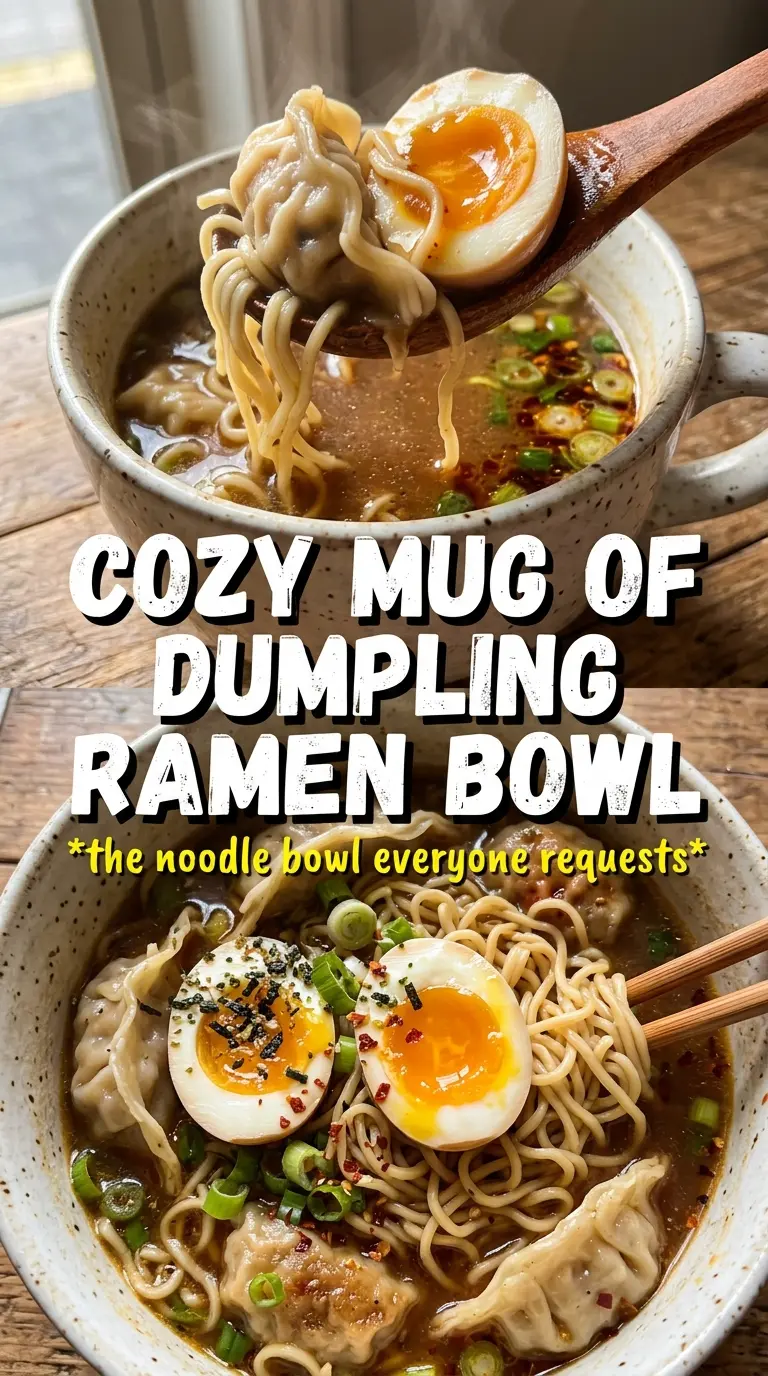
- Frozen dumplings — These carry the meal. Pork gives a richer, more savory bowl, while chicken keeps things a little lighter. Use them straight from frozen; thawed dumplings are more likely to tear in the broth.
- White miso paste — This is what makes the broth taste rounded and full instead of just salty. Stir it in off the boil or over low heat so it dissolves smoothly and keeps its mellow sweetness.
- Fresh ramen noodles — Fresh noodles cook fast and stay springy. If you only have dried ramen, use the noodles and discard the seasoning packet, but watch the timing carefully so they don’t overcook.
- Bok choy and corn — Bok choy adds freshness and a little crunch, while corn brings sweetness that plays nicely with the miso. Frozen corn works fine here; just let it warm through in the hot broth.
- Soft-boiled eggs — The runny yolk turns the broth silky when it breaks into the bowl. Cook them just until set around the edges, then chill and peel so they stay neat.
Building the Bowl Without Overcooking Anything
Season the Broth First
Bring the broth to a gentle simmer, then whisk in the miso, soy sauce, mirin, and sesame oil until the liquid looks glossy and uniform. If the miso clumps, it usually means the broth was too hot or the paste was dumped in all at once. Pull the pan off the heat for a moment if needed, then whisk until smooth before putting it back on a low simmer.
Poach the Dumplings Gently
Add the frozen dumplings straight into the seasoned broth and let them cook through at a steady simmer for 5 to 7 minutes. You want them floating and hot all the way through, with wrappers that still look intact and a little translucent around the edges. If the broth boils hard, the wrappers can burst and the filling will cloud the soup.
Finish With Greens and Noodles
Stir in the bok choy for the last couple of minutes so the stems soften and the leaves wilt without losing their color. Cook the ramen noodles separately, drain them well, and divide them among the bowls before ladling over the broth and dumplings. That keeps the noodles from soaking up too much liquid and turning soft before you sit down to eat.
Top the Bowls While They’re Hot
Set the halved eggs on top, scatter over the corn and green onions, then finish with nori, sesame seeds, and chili oil. The egg yolk blends into the broth as you eat, so it’s worth serving right away while everything is still steaming. If you wait too long, the noodles will drink in too much broth and the toppings won’t feel as balanced.
Three Ways to Make This Dumpling Ramen Bowl Work for You
Make it dairy-free and gluten-free
This bowl is naturally dairy-free as written. For gluten-free, use gluten-free dumplings, tamari instead of soy sauce, and gluten-free ramen or rice noodles. The broth still tastes deep and savory, but the noodles will be a little softer and less chewy.
Swap the vegetables based on what’s in the crisper
Baby spinach, napa cabbage, or sliced mushrooms all work here. Spinach wilts almost instantly, mushrooms need a few extra minutes to soften, and napa cabbage brings a sweeter, more brothy feel. Keep the amount moderate so the bowl still tastes like ramen, not vegetable soup.
Use chicken dumplings for a lighter bowl
Chicken dumplings make the broth taste a little cleaner and less rich than pork dumplings. That works especially well if you plan to use extra sesame oil or chili oil on top, since the bowl still ends up feeling complete. The texture stays the same as long as you cook them from frozen.
Storage and Reheating
- Refrigerator: Store the broth, dumplings, noodles, and toppings separately for up to 3 days. The noodles soften fast if they sit in the broth.
- Freezer: Freeze the broth and dumplings together or separately for up to 2 months. Don’t freeze the cooked noodles or soft-boiled eggs; they turn rubbery and watery.
- Reheating: Warm the broth and dumplings gently on the stove until steaming, then add freshly cooked noodles and toppings. The biggest mistake is boiling everything together again, which makes the dumplings tough and the noodles mushy.
Answers to the Questions Worth Asking
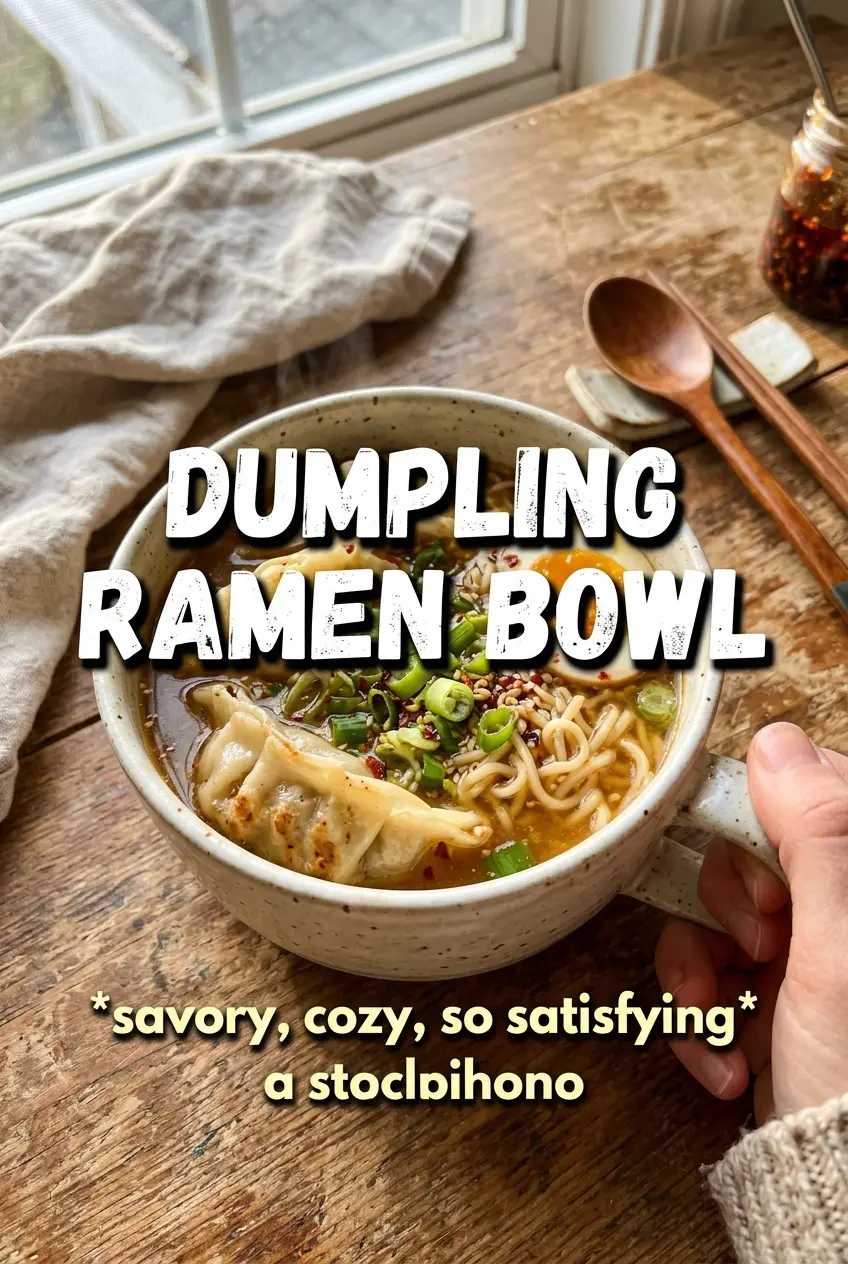
Dumpling Ramen Bowl
Ingredients
Equipment
Method
- Bring the chicken broth to a simmer in a Dutch oven. Whisk in the miso paste, soy sauce, mirin, and sesame oil until smooth and steaming.
- Add the frozen dumplings to the simmering broth. Cook for 5-7 minutes, stirring gently once or twice, until the dumplings are cooked through.
- Add the halved bok choy to the pot. Cook for 2-3 minutes until wilted and bright green, with the stems just tender.
- Cook the fresh ramen noodles separately according to package instructions. Drain well so the noodles don’t dilute the broth.
- Divide the drained noodles between 4 bowls. Ladle the hot broth, dumplings, and bok choy over the noodles.
- Top each bowl with a halved soft-boiled egg. Add corn kernels, green onions, nori, sesame seeds, and chili oil to finish.