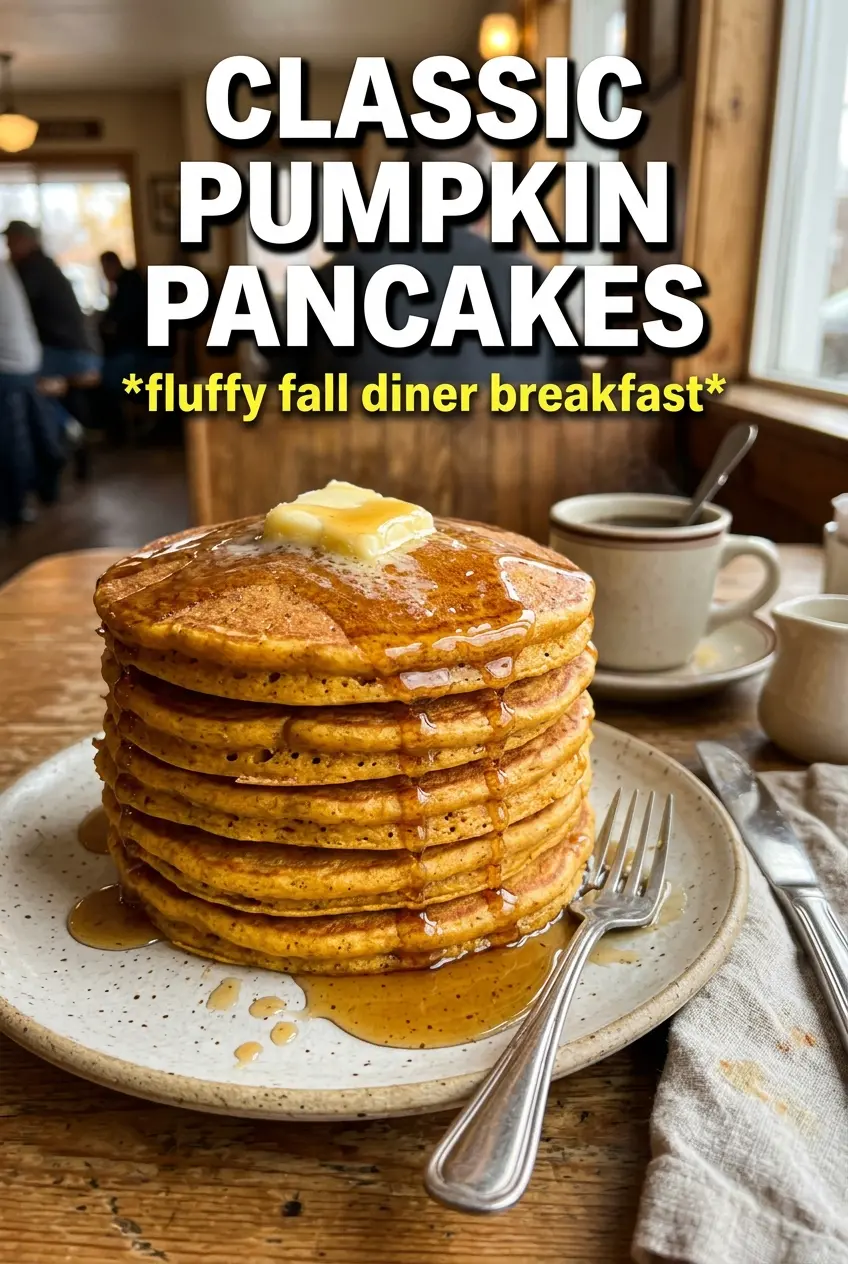
Luke’s Pumpkin Pancakes land with that thick, diner-style stack that holds its shape on the plate and still stays tender in the middle. The pumpkin gives them a warm orange color and a soft, custardy crumb, while the cinnamon, ginger, nutmeg, and clove make every bite taste like the griddle version of a spice cake — but lighter, fluffier, and far better with butter melting into the top.
What makes these work is the balance of moisture and lift. Pumpkin puree adds body, but the baking powder and baking soda keep the pancakes from turning heavy, and the molasses deepens the flavor without making them taste like gingerbread. The batter should look a little lumpy and thick enough to mound briefly before settling. That’s the texture you want for tall pancakes that cook through without spreading into thin, flat rounds.
Below, I’ve included the little details that matter most: how to keep the batter from getting dense, what to look for on the griddle before flipping, and the swaps that still give you a good stack when you’re missing one ingredient.
The batter rested exactly like you said and the pancakes came out thick, fluffy, and full of pumpkin spice flavor instead of soggy. I loved how the edges set up before the bubbles popped, and they flipped cleanly every time.
Save these thick, spiced pumpkin pancakes for a breakfast stack with crisp edges, a soft center, and plenty of maple syrup.
The Trick to Thick Pancakes That Still Cook Through
Pumpkin pancakes fail when the batter gets overmixed or too wet. Pumpkin puree adds a lot of moisture, and if you stir until the batter looks smooth, you wake up the gluten in the flour and end up with pancakes that are chewy instead of tender. The other trap is adding too much liquid to chase a pourable batter. These need to be thick enough that they settle slowly on the griddle, not spread into thin rounds.
The rest in the recipe matters more than it sounds like it should. Five minutes gives the flour time to hydrate and the leaveners a chance to start working, which helps the pancakes rise more evenly. If your first pancake looks too pale or cooks too slowly, the griddle is not hot enough. If the butter smokes immediately, it’s too hot and the spices will taste scorched before the centers set.
What Each Ingredient Is Doing in These Pancakes
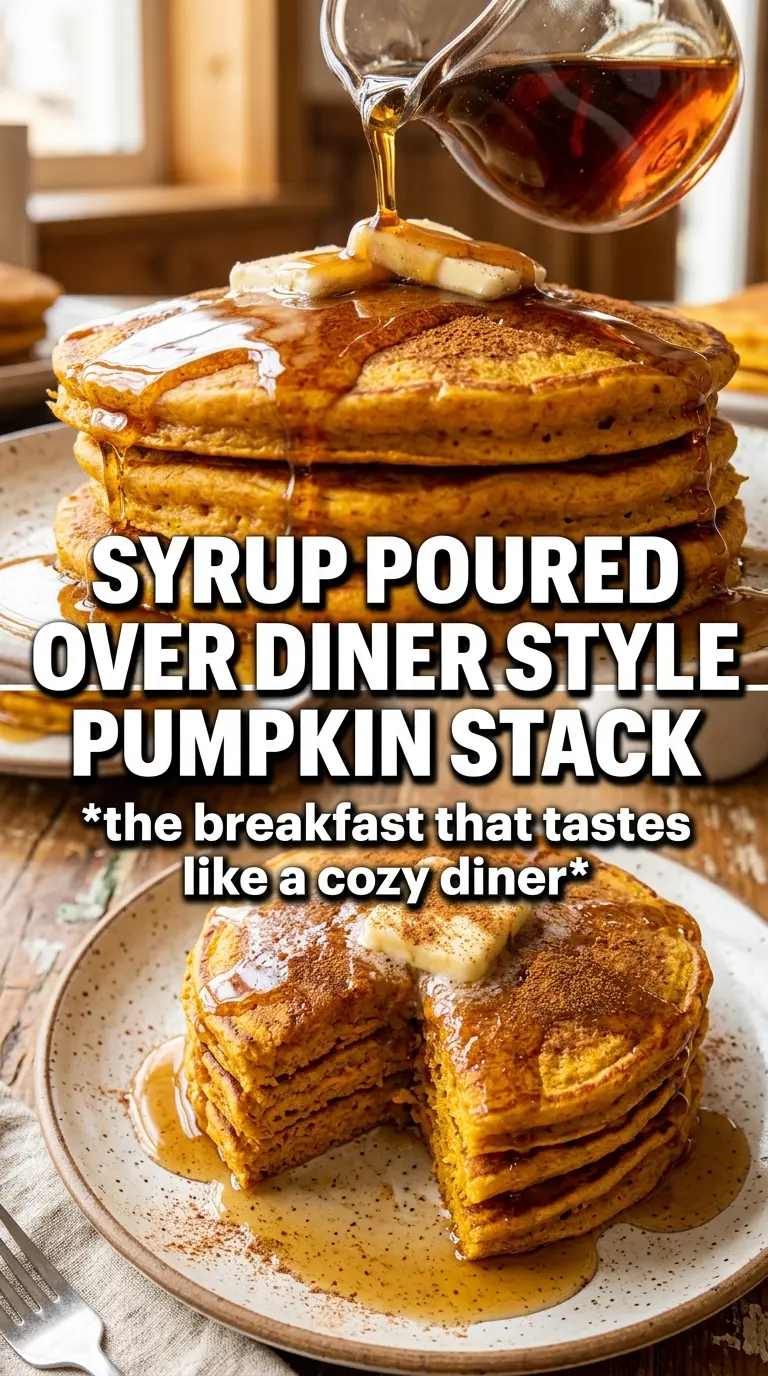
- Pumpkin puree — This gives the pancakes their color, body, and soft, almost custardy texture. Use plain pumpkin puree, not pumpkin pie filling, or the spice and sugar balance will be off.
- Whole milk — The fat in whole milk keeps the batter rich and helps the pancakes brown without drying out. Lower-fat milk works in a pinch, but the pancakes will be a little less tender.
- Molasses — This is the ingredient that gives the batter depth. It doesn’t make the pancakes taste like molasses; it just rounds out the pumpkin and spice so they taste fuller and less flat.
- Spice blend — Cinnamon leads, but the ginger, nutmeg, and clove are what make these taste warm instead of one-note. If you use pre-mixed pumpkin pie spice, use about 2 1/2 teaspoons and keep the cinnamon from taking over.
- Butter, melted — Melted butter goes into the batter for flavor and tenderness. It also helps the pancakes stay soft after cooking instead of turning rubbery as they cool.
How to Mix, Rest, and Flip for the Best Stack
Building the Dry Base
Start by whisking the flour, sugar, baking powder, baking soda, salt, and spices together until the color looks even throughout the bowl. That step keeps the leaveners from clumping in one bite and makes the spice flavor consistent from pancake to pancake. If you skip it and dump everything in at once, you can end up with one pancake that tastes heavily spiced and another that tastes plain.
Keeping the Batter Just Barely Combined
Whisk the pumpkin, milk, eggs, melted butter, molasses, and vanilla until smooth, then pour the wet mixture into the dry ingredients. Fold with a spatula only until the flour streaks disappear. Lumps are fine. If you stir until glossy and uniform, the pancakes will tighten up as they cook and lose that soft diner-style texture.
Griddling for Color and Lift
Heat a well-seasoned skillet or griddle over medium heat and butter it generously. Scoop about 1/3 cup batter for each pancake and give them space so the edges can set cleanly. Wait for bubbles to pop across the surface and for the sides to look matte before flipping. If the bottom is browning before the top shows those signs, turn the heat down; pumpkin batter burns faster than plain batter because of the sugar and spices.
The Second Side and the Finish
Flip once and cook for about 2 minutes more, just until the center springs back lightly when you touch it. Don’t press the pancakes with the spatula. That squeezes out the air you worked into the batter and leaves you with a denser stack. Serve them right away with butter and real maple syrup while the edges are still crisp.
How to Adjust These Pancakes Without Losing the Texture
Dairy-Free Pumpkin Pancakes
Swap the whole milk for an unsweetened oat milk or almond milk and use a neutral dairy-free butter in the batter and for the pan. Oat milk gives the closest texture because it has a little more body. The pancakes will still brown well, but they’ll taste slightly less rich than the original.
Gluten-Free Version
Use a 1:1 gluten-free baking flour that already contains xanthan gum. The batter may thicken a little more as it rests, so loosen it with a splash of milk only if it gets too stiff to spoon. The result is still fluffy, but the edges won’t be quite as crisp.
Extra-Spiced Pancakes
Add another 1/2 teaspoon cinnamon and an extra pinch of clove if you want a stronger spice note. Go light on the clove if you’re serving these to kids or anyone who prefers a softer flavor, since clove can take over fast.
Storage and Reheating
- Refrigerator: Store cooled pancakes in an airtight container for up to 4 days. They soften a little in the fridge, but the flavor holds up well.
- Freezer: These freeze well. Layer parchment between the pancakes and freeze in a sealed bag or container for up to 2 months.
- Reheating: Warm them in a toaster, skillet, or 325°F oven until hot. The biggest mistake is microwaving them too long, which turns the centers rubbery instead of just heated through.
Questions I Get Asked About This Recipe
Luke's Pumpkin Pancakes
Ingredients
Equipment
Method
- In a large bowl, whisk together all-purpose flour, granulated sugar, baking powder, baking soda, salt, and all spices until evenly combined.
- In a separate bowl, whisk pumpkin puree, whole milk, eggs, melted butter, molasses, and vanilla extract until smooth.
- Pour the wet mixture into the dry mixture and fold until just combined, leaving lumps okay.
- Rest the batter for 5 minutes.
- Heat a well-seasoned griddle or cast iron skillet over medium heat, and butter generously.
- Pour about 1/3 cup batter per pancake and cook until edges are set and bubbles pop across the surface, about 3 to 5 minutes.
- Flip once and cook for 2 minutes more.
- Serve the pancakes warm with a generous pat of butter and real maple syrup.