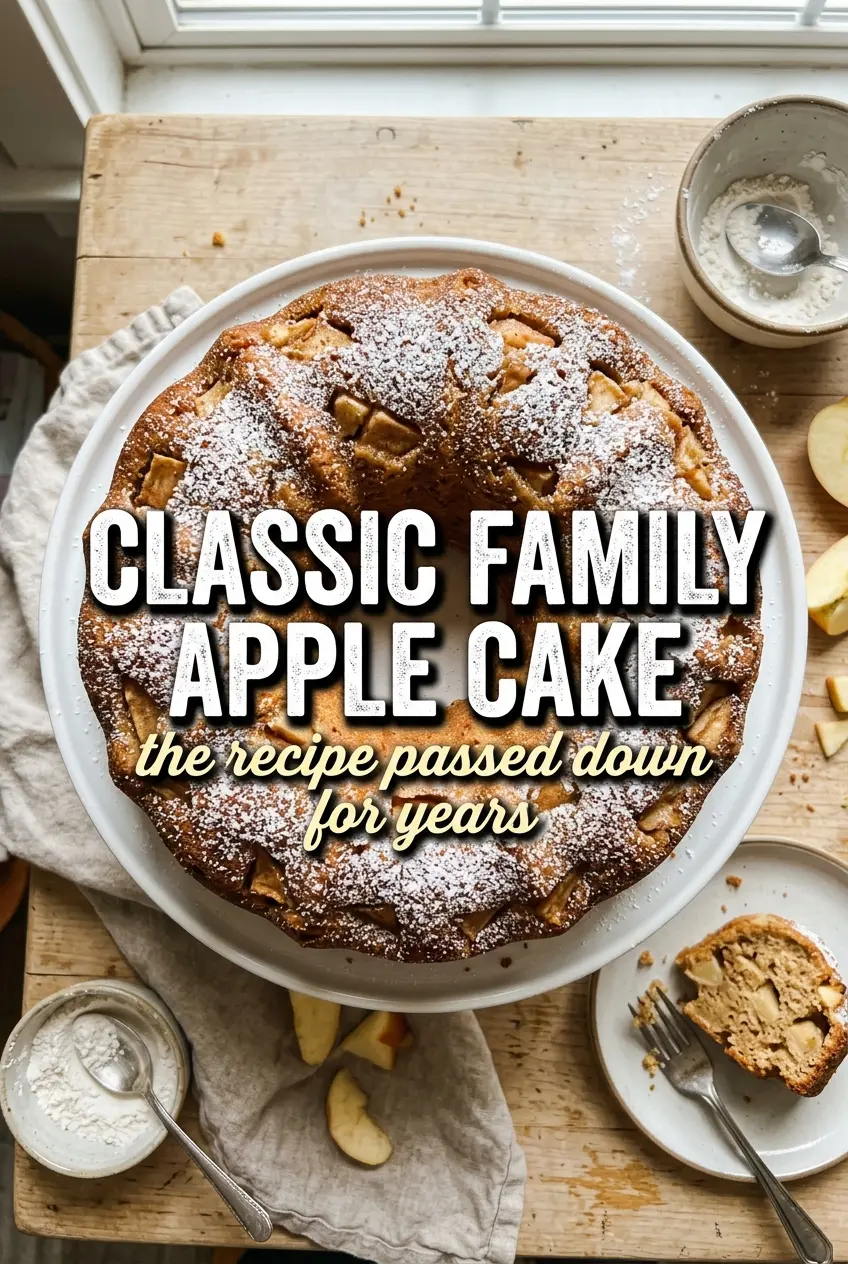
Moist apple cake with a tight, tender crumb and pockets of cinnamon-spiced fruit is the kind of dessert people remember after the pan is empty. The oil keeps it plush for days, the sour cream gives the crumb a little richness without making it heavy, and the walnuts add just enough bite to keep every slice interesting. Finished with browned butter cream cheese frosting, it lands somewhere between homespun and bakery-worthy, which is exactly why it disappears fast.
What makes this version work is the balance. There’s enough sugar to draw out the apple flavor, but not so much that the cake turns candy-sweet. The apples are diced small so they soften into the batter instead of sinking, and the warm spices are measured to support the fruit, not bury it. Browning the butter for the frosting adds a nutty note that plays beautifully against the tang of the cream cheese.
Below you’ll find the little details that matter most: how to keep the crumb from turning dense, why the frosting needs to cool before you beat it, and the best way to get this cake out of a bundt pan in one piece if that’s the route you take.
The cake stayed incredibly moist for three days, and the browned butter in the frosting gave it this nutty caramel note that made the apple pieces taste even better. I baked it in a 9×13 and it sliced cleanly after cooling.
Save Mom’s Best Apple Cake for the kind of dessert that stays moist, slices clean, and gets even better with browned butter cream cheese frosting.
The Mistake That Makes Apple Cake Dense Instead of Tender
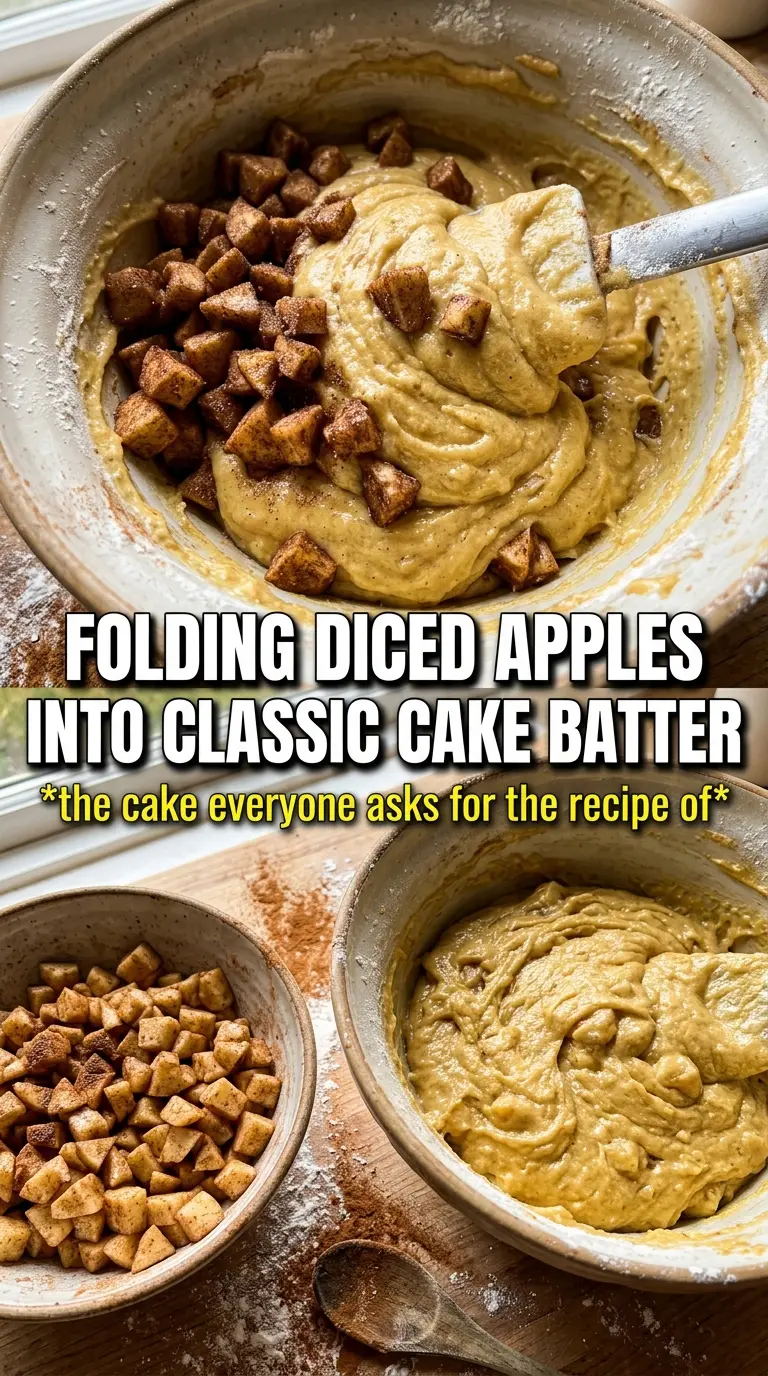
The difference between a heavy apple cake and one that stays soft for days usually comes down to two things: overmixing and oversized fruit. Once the flour goes in, the batter only needs to be folded until the dry spots disappear. Stirring past that point builds too much gluten, and you’ll feel it in the final crumb. Diced apples should be small enough to soften into the cake, not so chunky that they drag the batter down or leave wet pockets behind.
The oil helps here too. Butter can taste wonderful, but in a cake loaded with fruit, oil gives you a more reliable moist crumb because it stays soft at room temperature. The sour cream does the same kind of work from a different angle: it adds richness and a little acidity, which keeps the cake tasting balanced instead of flat.
- Don’t beat the flour in. Fold gently until the batter looks evenly mixed and stop there.
- Dice the apples finely. Small pieces bake through cleanly and distribute better in the pan.
- Use sour cream, not yogurt if you can. Yogurt works in a pinch, but sour cream gives a fuller, more stable crumb.
- Cool the cake completely before frosting. Warm cake melts the frosting and turns it greasy fast.
What Each Ingredient Is Doing in Mom’s Best Apple Cake
- All-purpose flour — This gives the cake its structure without making it tough. Cake flour makes a softer crumb, but it can get a little too delicate once all those apples go in.
- Brown and granulated sugar — The white sugar sweetens cleanly, while the brown sugar brings a light caramel note that fits the apples and spices. Don’t swap all of it for brown sugar unless you want a denser, slightly stickier cake.
- Vegetable oil — This is why the cake stays moist for days. Melted butter won’t give you the same staying power.
- Sour cream — It adds richness and keeps the crumb tender. Plain Greek yogurt can work, but the texture is a little sharper and less plush.
- Apples — Use a firm baking apple or a mix of sweet and tart apples if that’s what you have. Soft apples can disappear too much in the oven.
- Walnuts or pecans — Both add crunch, but pecans lean sweeter and walnuts taste a little earthier. If you want a smoother slice, leave them out entirely.
- Browned butter cream cheese frosting — The browned butter is the twist. It adds depth that plain cream cheese frosting can’t match, and it makes the whole cake taste more finished.
Building the Batter and Frosting Without Losing the Texture
Start With the Dry Mix
Whisk the flour, baking soda, spices, and salt together until the color looks even and no cinnamon clumps remain. That small step keeps the spices from streaking through the batter and helps the baking soda distribute evenly, which matters in a cake this thick. If the dry ingredients aren’t mixed well now, you can end up with bites that taste unevenly spiced or a few pale pockets that bake differently.
Mix the Wet Ingredients Until Glossy
Beat the sugars, oil, eggs, vanilla, and sour cream just until the mixture looks smooth and slightly glossy. You’re not trying to whip in lots of air here; you’re building a cohesive base that holds the apples evenly. If the mixture looks broken or grainy, keep mixing for another 20 to 30 seconds before moving on.
Fold in Apples and Nuts at the End
Add the flour mixture and fold only until the batter is almost combined, then add the apples and nuts and finish by hand. The batter will look thick, and that’s exactly what you want. It should mound a little in the bowl and spread slowly in the pan instead of pouring like a thin quick bread batter.
Bake Until the Center Springs Back
At 325°F, the cake bakes into a deeper golden color without drying out the edges too fast. Start checking at 60 minutes, then look for a toothpick that comes out clean or with just a few moist crumbs, not wet batter. If you’re using a bundt pan, give the top center a gentle press; it should spring back instead of feeling soft and sloshy.
Brown the Butter and Beat the Frosting Smooth
Brown the butter first and let it cool before mixing it with the cream cheese. If the butter is hot, it can melt the cream cheese and turn the frosting loose. Beat until smooth before adding the powdered sugar, milk, and vanilla, then stop as soon as it turns spreadable; overbeating can make it too soft to hold a thick layer on the cake.
Three Ways to Adapt This Apple Cake Without Losing What Makes It Good
Make It Gluten-Free
Use a cup-for-cup gluten-free flour blend that includes xanthan gum. The cake will still be moist and sturdy, but the crumb may be a touch more delicate, so let it cool fully before slicing.
Skip the Nuts
Leave out the walnuts or pecans if you want a smoother, more classic apple cake. The cake will be a little softer and less crunchy, but the apple and spice flavor comes through even more clearly.
Make the Frosting Lighter
If you want less frosting, spread a thinner layer over the top instead of covering the sides. The cake is flavorful enough to stand on its own, and a lighter finish keeps the browned butter note from taking over.
Storage and Reheating
- Refrigerator: Store covered for up to 5 days. The frosting stays firm, and the crumb actually gets a little more settled by day two.
- Freezer: Freeze unfrosted cake tightly wrapped for up to 2 months. Thaw overnight in the refrigerator, then frost after it comes fully to room temperature.
- Reheating: If you want a warm slice, microwave it for 10 to 15 seconds. Heat only the unfrosted portion if possible, because frosting gets soft and glossy fast.