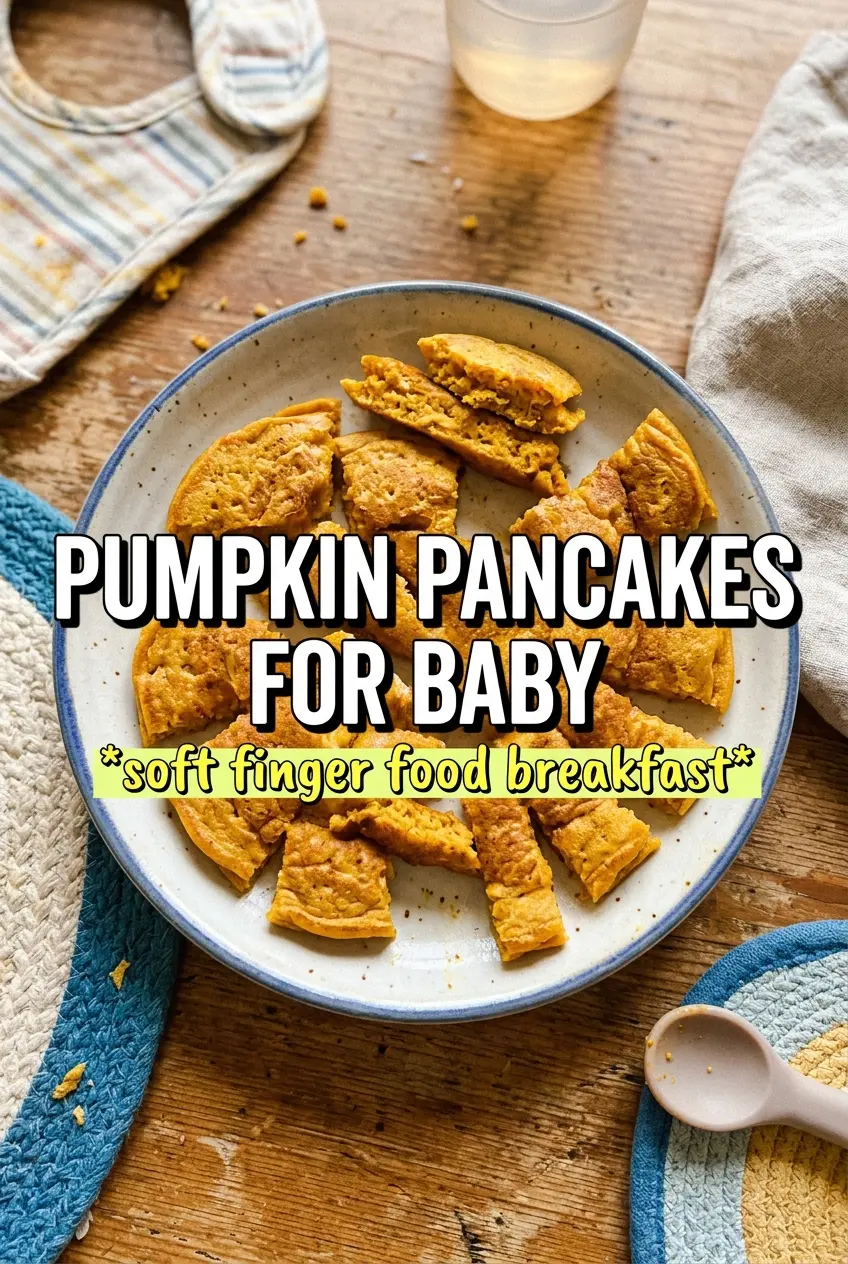
Pumpkin pancakes that stay soft, cook up tender, and are sized for little hands earn their place fast. The pumpkin keeps the crumb moist without turning heavy, and the mild spice blend gives them that warm, familiar breakfast smell without overpowering the batter. When they’re cooked as small silver-dollar rounds, they’re easy to serve to babies learning to pick up food and just as good for toddlers who want pancakes they can manage on their own.
The trick here is keeping the batter simple and the heat low. Pumpkin adds body, so a thick batter is normal, but it still needs enough milk to spread into small rounds instead of steaming into little mounds. I also leave out added salt because this recipe is meant to fit baby and toddler needs first, and I keep the maple syrup optional so you can serve the same batch to everyone at the table.
Below you’ll find the exact texture cues I watch for in the pan, plus the best way to serve and store these if you want to make a batch ahead. If you’ve ever had kid pancakes go dry before breakfast was over, this version fixes that.
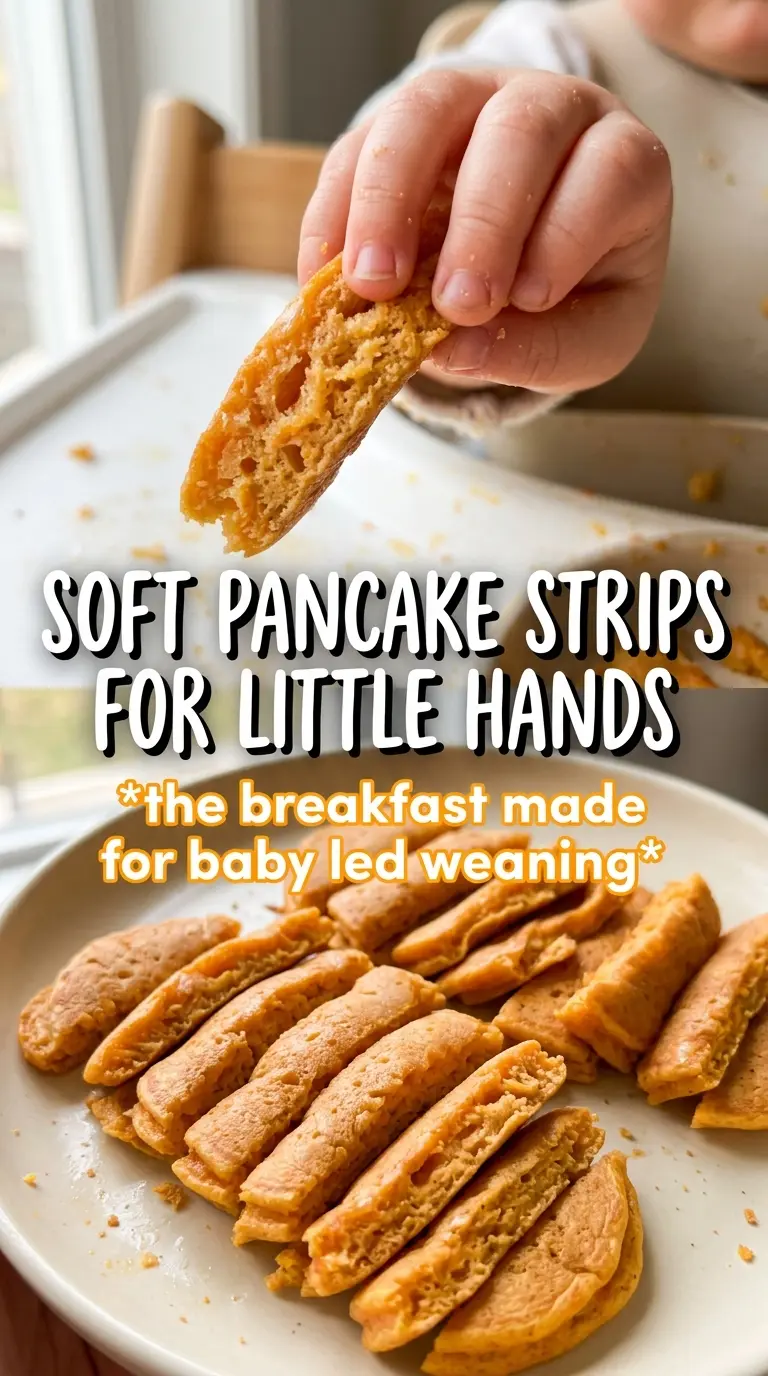
The pancakes came out soft enough for my 10-month-old to gum easily, but they still held together when I picked them up. I loved that the edges set before the centers dried out.
Save these soft pumpkin pancakes for babies and toddlers when you want a gentle breakfast that cooks up tender and flips cleanly.
Why These Pancakes Stay Tender Instead of Getting Dense
Pumpkin puree is doing more than adding color here. It brings moisture and a little structure, which is great for baby-friendly pancakes, but it also means the batter can turn heavy fast if you overmix or pack in too much flour. The goal is a batter that falls off the spoon in thick ribbons, not a paste that sits in the bowl like dough.
Medium-low heat matters more than most people think. Pumpkin and milk solids brown quickly, and small pancakes burn before the centers set if the pan is too hot. If the first batch cooks too fast, lower the heat and give the skillet another minute to settle before you keep going.
These pancakes also work because they’re small. That smaller size gives you more control over doneness, and it makes it easier to serve the right texture for babies while still making a breakfast that feels normal for the rest of the family.
What Each Ingredient Is Doing in These Baby Pancakes
- Whole wheat or all-purpose flour — Whole wheat gives a little more fiber and a nuttier taste, while all-purpose makes the softest, lightest pancakes. Both work. If you use whole wheat, expect a thicker batter and a slightly heartier bite.
- Pumpkin puree — Use plain pumpkin puree, not pumpkin pie filling. The puree gives the pancakes their softness and helps them stay moist after cooling, which matters a lot when you’re feeding toddlers or letting a batch sit for a few minutes.
- Egg — This holds everything together and helps the pancakes stay tender instead of fragile. For egg-free pancakes, a flax egg will bind the batter, but the texture will be a little softer and less springy.
- Milk — Whole milk keeps the batter rich and helps the pancakes brown gently. You can use any milk you normally cook with, but thinner non-dairy milks may need a tablespoon or two less so the batter doesn’t run too loose.
- Melted butter — Butter adds flavor and keeps the texture soft. Oil works in a pinch, but you’ll lose that round, buttery finish on the pan.
- Cinnamon, nutmeg, and ginger — This is a mild spice blend, not a strongly spiced pancake. Keep the amounts modest for babies; the pumpkin should still taste like pumpkin.
- Maple syrup and vanilla — The maple syrup is optional and should be skipped for babies under 1. Vanilla rounds out the batter even when the syrup is left out, so don’t ignore it if you want the pancakes to taste balanced.
The Small-Batch Technique That Keeps the Centers Soft
Mix the dry ingredients first
Whisk the flour, baking powder, baking soda, cinnamon, nutmeg, and ginger together before the wet ingredients go in. That keeps the leavening evenly distributed, which matters when you’re making small pancakes that need to puff evenly without bitter pockets of baking soda. If the spices clump in one spot, you’ll taste it in the finished pancake.
Build the batter without overworking it
Whisk the pumpkin, egg, milk, melted butter, maple syrup if using, and vanilla in a separate bowl, then fold the wet mixture into the dry ingredients until just smooth. A few tiny lumps are fine. If you stir until the batter looks glossy and perfectly uniform, you’ve probably gone too far and the pancakes will cook up tougher than they should.
Cook low and small
Warm a lightly greased skillet over medium-low heat, then drop 1 to 2 tablespoon rounds onto the pan. The pancakes should spread a little, but not so much that they run together. When the edges look set and the tops lose their wet shine, slide a thin spatula underneath and flip gently. If the bottoms are dark before the tops are ready, the heat is too high.
Cool before serving little ones
Let the pancakes cool to room temperature before serving, then cut them into age-appropriate sizes if needed. That cooling step helps them finish setting, and it keeps the centers from seeming gummy straight off the skillet. For babies, soft strips or small torn pieces work well; for toddlers, the small rounds are usually perfect as they are.
How to Adjust These Pancakes for Different Ages and Larders
Skip the maple syrup for babies under 1
Leave out the maple syrup in the batter and serve the pancakes plain or with fruit. You still get a soft, naturally sweet pancake from the pumpkin and vanilla, and you avoid adding sweetener where it isn’t needed.
Make them dairy-free
Use a neutral non-dairy milk and swap the butter for melted coconut oil or avocado oil. The pancakes will still be soft, but they’ll taste a little less rich, so the vanilla becomes more important.
Use whole wheat for more body
Whole wheat flour gives these a slightly deeper, nuttier flavor and a bit more texture, which works well for toddlers. The batter may need an extra splash of milk because whole wheat absorbs more liquid.
Storage and Reheating
- Refrigerator: Store in an airtight container for up to 4 days. They stay soft, though the edges lose a little of their fresh-from-the-pan texture.
- Freezer: Freeze in a single layer, then move to a bag or container for up to 2 months. They thaw and reheat well, which makes them a strong make-ahead breakfast.
- Reheating: Warm in a skillet over low heat or in a toaster oven until heated through. High heat dries them out fast, so skip the microwave unless you’re in a hurry and don’t mind a softer, more steamed texture.
Questions I Get Asked About This Recipe
Pumpkin Pancakes for Baby and Toddler
Ingredients
Equipment
Method
- Whisk the flour, baking powder, baking soda, cinnamon, nutmeg, and ginger in a bowl until evenly combined, with no added salt for babies.
- Whisk the pumpkin puree, egg, whole milk, melted butter, maple syrup if using, and vanilla extract until smooth and well blended.
- Fold the wet mixture into the dry mixture until just combined and smooth, with no dry pockets remaining.
- Heat a lightly greased skillet over medium-low heat to help prevent burning.
- Drop 1–2 tablespoon rounds of batter into the skillet and cook for about 2 minutes, until the edges look set.
- Flip gently and cook for 1–2 minutes more, until cooked through and lightly golden.
- Cool the pancakes to room temperature before serving, then cut into appropriate sizes for baby and offer as bite-size pieces.