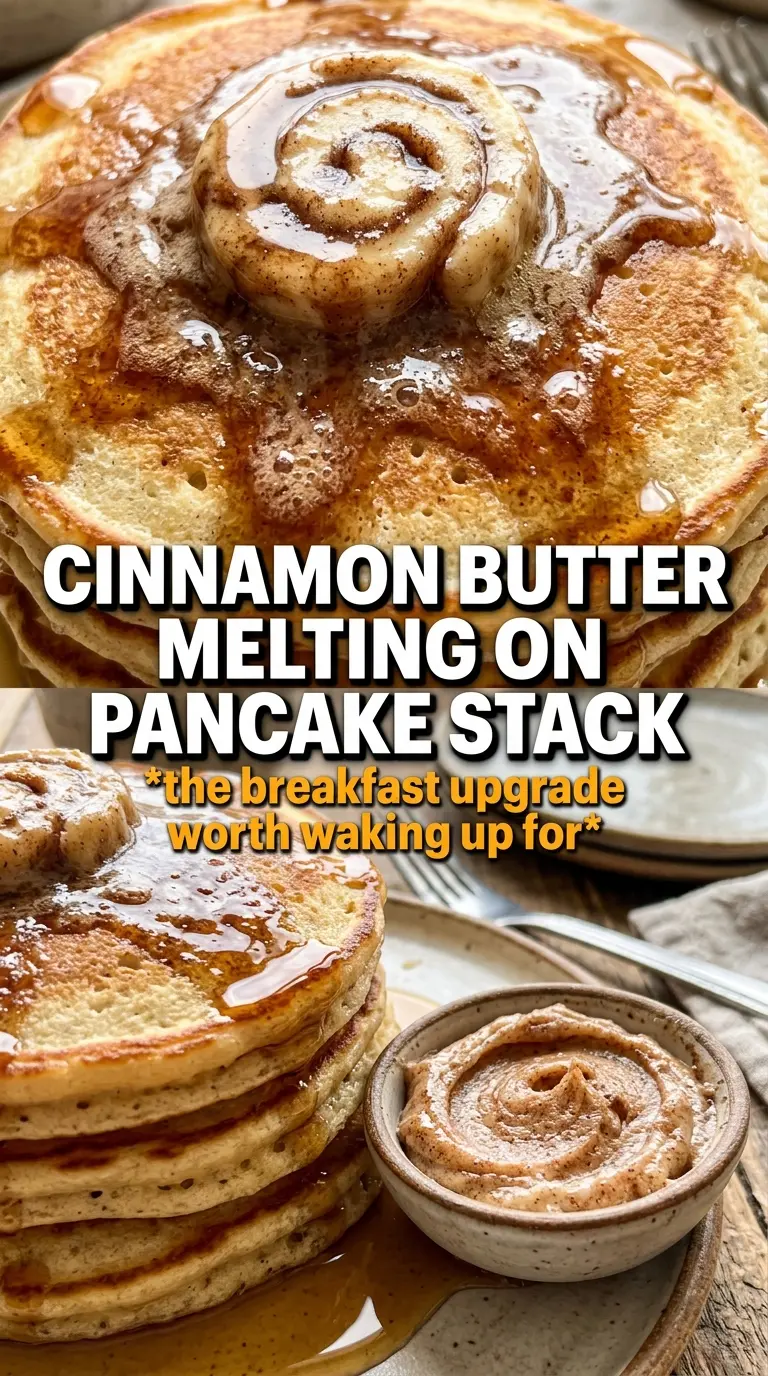
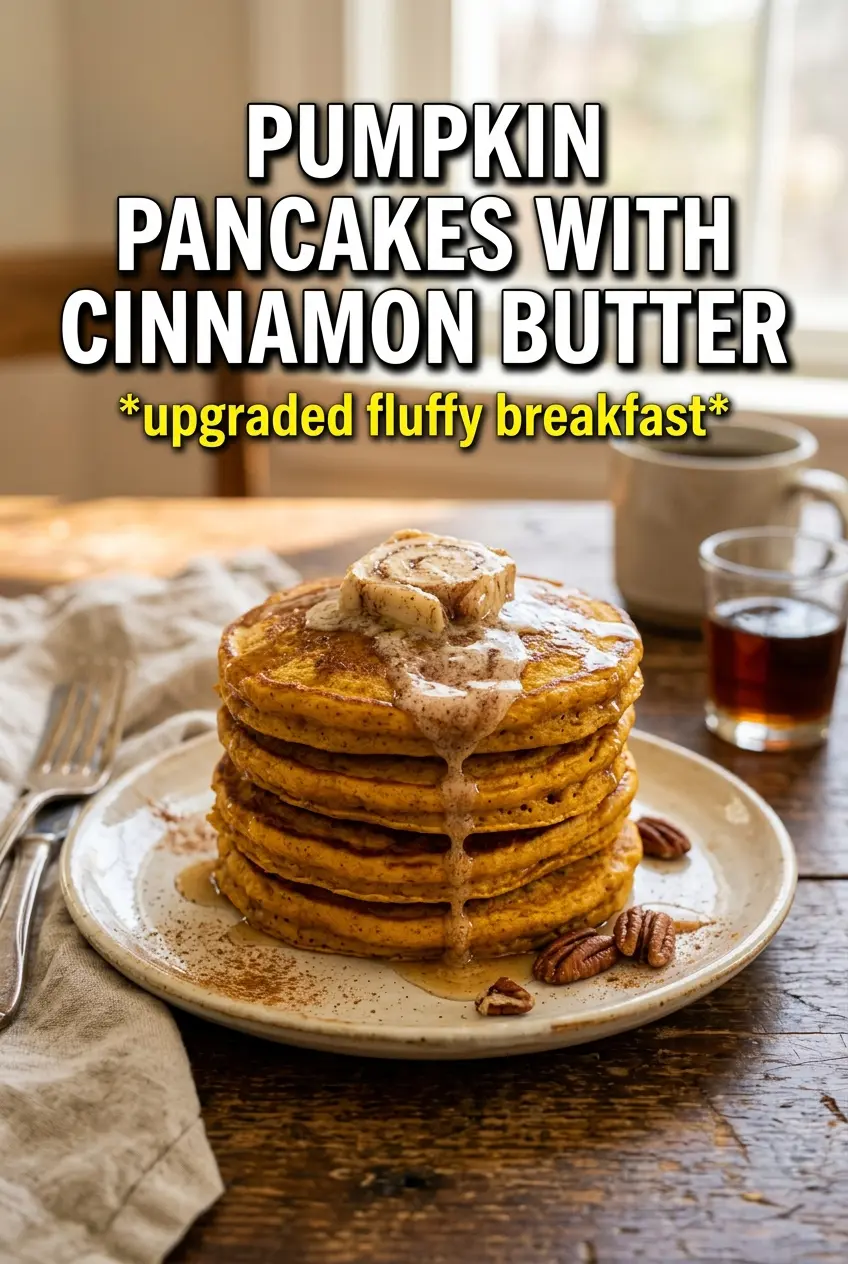
These pumpkin pancakes come off the griddle tender in the middle, lightly crisp at the edges, and scented with cinnamon the moment they hit the plate. The cinnamon honey butter melts into the warm stack and turns each bite into something rich, spiced, and just sweet enough to feel like a treat without tasting heavy.
What makes this version work is the balance. Pumpkin puree adds moisture and body, but the batter still gets lift from baking powder and a little baking soda, which keeps the pancakes from turning dense. Buttermilk brings tang and helps the texture stay soft, while the cinnamon honey butter gives you that finishing touch most pumpkin pancakes are missing. It’s not just a topping; it’s part of the recipe’s structure.
Below, I’ll walk you through the small details that matter here, especially how to avoid overmixing the batter and how to keep the pancakes from cooking up gummy in the center. The butter also makes ahead beautifully, which means breakfast comes together faster than you’d think.
The batter came together fast and the pancakes stayed fluffy instead of getting heavy from the pumpkin. That cinnamon honey butter melted into the stack and made the whole thing taste like a bakery breakfast.
Like these pumpkin pancakes with cinnamon butter? Save them to Pinterest for the mornings when you want a fluffy stack with a melty spiced topping.
The Trick to Keeping Pumpkin Pancakes Light Instead of Gummy
Pumpkin puree makes pancakes tender, but it also adds a lot of moisture and density. That’s where most pumpkin pancake recipes go wrong. If you stir until the batter is smooth, you’ve already gone too far. A few flour streaks are fine. They disappear as the batter rests, and that brief rest lets the flour hydrate without overworking the gluten.
The other key is heat. Medium heat gives the middle time to cook before the outside goes too dark. If the pan is smoking or the first pancake browns in under a minute, the heat is too high and the center will stay damp. You want steady bubbles on the surface and edges that look set before you flip.
What Each Ingredient Is Actually Doing in These Pancakes
- Pumpkin puree — This gives the pancakes their color, flavor, and soft texture. Use plain pumpkin puree, not pumpkin pie filling, or you’ll end up with extra sugar and spice throwing off the batter.
- Buttermilk — This is what keeps the pancakes tender and helps the baking soda do its job. If you don’t have it, mix 1 tablespoon lemon juice or vinegar into a scant 1-1/4 cups milk and let it sit for 5 minutes, but the tang and lift won’t be quite the same.
- Baking powder and baking soda — The two together give you lift without making the pancakes taste flat or overly cakey. Don’t skip one and add more of the other; they work differently.
- Browned-style richness from melted butter — Melted butter in the batter gives you a richer crumb and better flavor than oil. Let it cool slightly before whisking it in so it doesn’t scramble the eggs.
- Cinnamon honey butter — This is the finishing move. Softened butter beats up airy and smooth, honey adds gloss and sweetness, and the cinnamon carries the spice from the pancakes into the topping.
How to Cook the Batter So the Centers Stay Tender
Mix the wet and dry separately
Start by whisking the flour, sugar, baking powder, baking soda, spices, and salt in one bowl, then whisk the pumpkin puree, buttermilk, eggs, melted butter, and vanilla in another. This keeps the leavening evenly distributed and prevents pockets of bitter baking soda. If the melted butter looks streaky when you add it, that’s fine as long as it isn’t hot enough to cook the eggs.
Fold, don’t beat
Pour the wet mixture into the dry and fold just until the flour disappears. The batter should look a little lumpy and thick, not smooth like cake batter. Let it rest for 5 minutes so the flour hydrates and the bubbles from the leavening settle in. If you skip the rest, the first pancake often cooks unevenly and the batter spreads too thin.
Cook on a steady griddle
Grease a skillet or griddle lightly and keep the heat at medium, not medium-high. Scoop about 1/4 cup batter per pancake and wait for small bubbles to form across the surface and the edges to look matte before flipping. The second side usually needs less time than the first. If the pancakes brown too fast, lower the heat immediately; pumpkin batter burns before it finishes setting.
Finish with the cinnamon honey butter
Beat the softened butter with honey, cinnamon, vanilla, and salt until fluffy, then chill it just long enough to hold its shape. A cold, hard butter won’t melt into the stack the way you want, so aim for soft and spoonable, not firm. Put a generous knob on the hot pancakes right before serving and let it drip down the sides. That’s where the best bites happen.
How to Adjust These for Different Mornings and Pantry Situations
Dairy-Free Pumpkin Pancakes
Use a neutral non-dairy milk mixed with lemon juice instead of buttermilk, and swap the butter for a plant-based stick margarine in both the batter and the cinnamon topping. The pancakes will still be soft, though the tang will be a little less pronounced and the butter won’t have quite the same creamy finish.
Gluten-Free Version
Use a 1:1 gluten-free flour blend that includes xanthan gum. The batter may thicken more as it rests, so if it looks too stiff after 5 minutes, loosen it with a tablespoon or two of milk. Expect a slightly more delicate pancake, and keep the heat moderate so the centers set before the outside dries out.
Make the Butter Ahead
The cinnamon honey butter can be made up to 5 days ahead and kept in the fridge. Let it sit at room temperature for 15 to 20 minutes before serving so it softens enough to melt over the pancakes instead of sitting in a cold lump on top.
Storage and Reheating
- Refrigerator: Store leftover pancakes in an airtight container for up to 3 days. They soften a bit as they sit, but the flavor holds well.
- Freezer: Pancakes freeze well. Cool completely, layer with parchment, and freeze in a zip-top bag for up to 2 months. Freeze the cinnamon butter separately.
- Reheating: Warm pancakes in a toaster or 300°F oven until heated through. The microwave works, but it makes them rubbery fast, so use short bursts if that’s your only option.
Questions I Get Asked About This Recipe
Pumpkin Pancakes With Cinnamon Butter
Ingredients
Equipment
Method
- Beat softened butter with honey, cinnamon, vanilla, and a pinch of salt until smooth and fluffy, using a thick, airy texture as the visual cue.
- Refrigerate the butter to firm slightly for 5 minutes so it holds its shape when placed on the hot pancakes.
- Whisk the all-purpose flour, sugar, baking powder, baking soda, pumpkin pie spice, cinnamon, and salt until evenly combined.
- Whisk the pumpkin puree, buttermilk, eggs, melted butter, and vanilla in a separate bowl until smooth.
- Fold the wet ingredients into the dry ingredients just until combined, stopping as soon as no dry streaks remain.
- Rest the batter for 5 minutes to help the pancakes cook up tender.
- Heat a greased griddle over medium heat (about 350°F/175°C) until it’s warm and ready to sizzle lightly.
- Pour about 1/4 cup batter per pancake and cook for 2-3 minutes until bubbles form on the surface and the edges look set.
- Flip and cook for another 2-3 minutes until golden and cooked through.
- Place a generous knob of cinnamon honey butter on top of each hot pancake so it melts immediately and drips down the sides.
- Serve with maple syrup on the side for pooling at the base.